Skip to content


Summarize with
Paint is usually chosen for color, but its bigger job is protection. A sound coat of paint keeps water out of wood, slows sun damage on siding, and gives interior walls a surface that can be cleaned instead of stained. When that layer starts to fail, the material underneath is what pays the price.
This guide explains how paint protects the main surfaces of a home, what wears that protection down, and the signs it is time to repaint. It is based on what Color Stars Painting sees on houses around Austin, TX, where we have painted for more than 22 years.
Quick answer: Paint protects a home by forming a continuous film that blocks moisture, shields surfaces from UV light and gives walls and trim a washable finish. Peeling, cracking, chalking, blistering and bare spots are signs the protection is breaking down.
How Paint Protects Exterior Wood
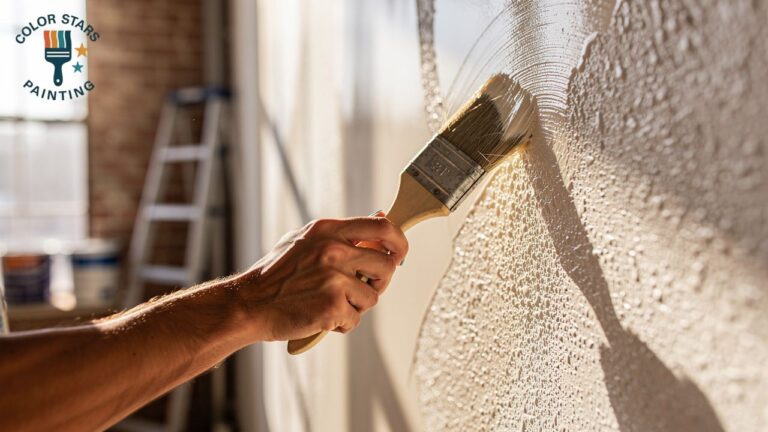
Wood swells when it absorbs water and shrinks as it dries. Over time, that cycle splits the grain, opens joints and creates the damp conditions that lead to rot. A well-bonded primer and two coats of exterior paint slow water from getting in, while caulked joints keep it out of the end grain and seams, where most rot starts.
How Paint Protects Siding and Masonry
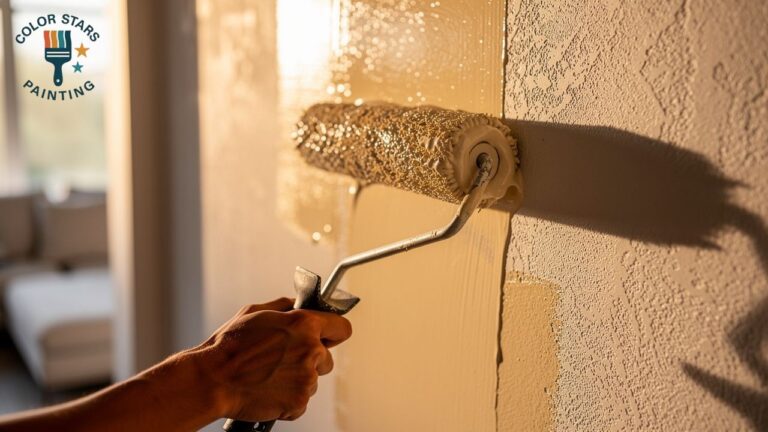
On fiber cement, stucco and painted brick, paint seals small pores and hairline cracks, which helps keep water from working into the surface. The pigments in exterior paint also absorb and reflect UV light, which slows the breakdown of the binder and the surface below. In hot, sunny climates, that UV protection is a big part of why exterior paint wears out faster on the south and west sides of a house. Our guide to Austin heat and exterior paint explains how the local climate speeds this up.
How Paint Protects Interior Surfaces
Inside, paint protects drywall paper and wood trim from moisture, stains and everyday wear. A washable finish lets you wipe off fingerprints, splatters and scuffs instead of damaging the wall. In bathrooms and laundry rooms, a moisture-resistant paint helps the surface stand up to steam and limits mildew on the paint film.
What Wears the Protection Down
- Sun: UV light breaks down the binder, which causes fading and chalking.
- Water: Gaps, failed caulk and bare wood let moisture behind the paint, leading to blistering and peeling.
- Heat cycles: Daily expansion and contraction cracks paint that cannot flex.
- Poor prep: Paint over dirt, chalk or gloss never bonds well and fails early.
- Wear and tear: Hands, furniture and cleaning slowly wear down interior finishes.
Signs Your Paint Is No Longer Protecting
- Peeling or flaking that exposes bare wood or primer
- Cracking or “alligatoring” on trim and siding
- A chalky powder that rubs off on your hand
- Bubbles or blisters, which often point to trapped moisture
- Soft or dark spots in wood near the ground, windows or gutters
- Gaps in caulk around windows, doors and trim
Catching these early is cheaper than repairing the material underneath. For typical timelines, see our guide to house paint lifespan.
How to Keep the Protection Working
- Inspect the outside of the house once a year, especially sun-facing walls and trim.
- Rinse siding gently to remove dirt and mildew before they break down the paint.
- Re-caulk gaps around windows, doors and trim as soon as they open.
- Spot-prime and touch up chips before water reaches the wood.
- Repaint before the film fails completely, while prep is still simple.
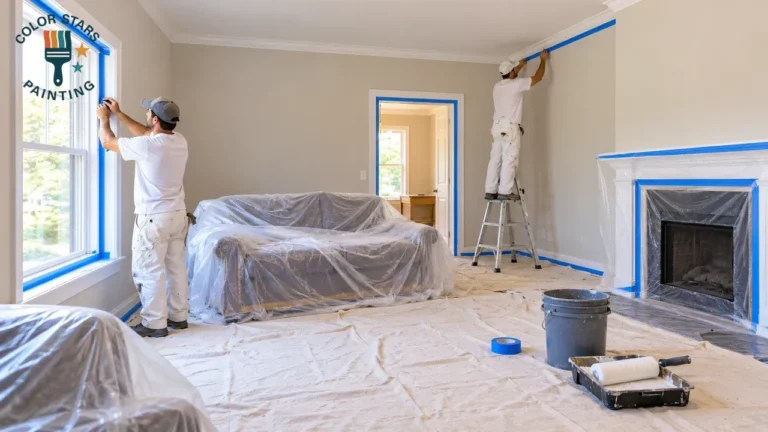
When it is time for a full repaint, a professional crew handles the prep that makes the new coat last. Learn more about our exterior painting services, or call Color Stars Painting at (512) 815-0310 for a free estimate in Austin, TX and nearby cities.
Frequently Asked Questions
Does paint protect wood from rot?
Paint helps protect wood by slowing the moisture that causes rot, but only while the coating and caulk are intact. Once paint peels or joints open, water can get in and rot can start.
Does exterior paint make walls waterproof?
Exterior paint is water-resistant, not fully waterproof. It sheds rain and slows moisture, but it cannot fix leaks, failed flashing or gaps that let water in behind the siding.
What are the signs paint is no longer protecting my house?
Peeling, cracking, chalking, blistering, bare wood and gaps in caulk all mean the paint film is breaking down and the surface underneath is exposed.
Does interior paint protect drywall?
Yes. Interior paint seals the paper face of drywall and gives it a washable surface, which helps it resist stains, scuffs and everyday moisture.