Skip to content
Summarize with
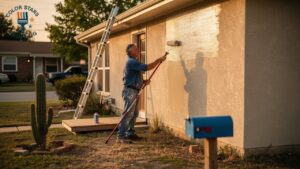
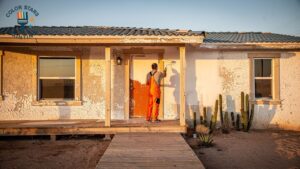
If a paint job is chalking, peeling near the eaves, or fading unevenly on the sun side of the wall just 2 or 3 years after being done, then it’s likely due to weather and not the paint crew. Exterior painting Austin TX projects face conditions that are genuinely harder on paint film than what most of the country deals with.
Austin is in a humid subtropical climate zone where summer UV exposure here is often at the high end of the EPA’s UV Index scale, which is known to cause paints to deteriorate more quickly than in cooler, cloudier climates.
Color Stars Painting LLC works on homes across Central Texas and sees this structure often: paint that would hold up for a decade somewhere softer can start failing here in half that time, and knowing what the first step is toward selecting a finish that actually lasts.
How Texas Weather Affects Exterior Paint
Austin does not have one bad season for paint; it has three or four bad seasons for paint. Summer days are long, and the average temperatures are climbing upwards into the mid 90s by August, and afternoon temperatures often exceed 100 degrees for consecutive weeks.
Sunlight in combination with heat would be difficult, but the combination of heat and sun exposure would accelerate the resin degradation in paint film, causing colors to fade and surfaces to become brittle.
Exterior painting in Austin TX, homeowners plan for this heat, but many underestimate how much humidity adds to the problem.
Humidity varies greatly with the seasons here, frequently ranging between 60 and 75 percent, and, after the frequent afternoon thunderstorms in spring and early summer, it is held against siding. Improperly ventilated paint is likely to blister or peel, particularly over wood.
It’s one reason exterior painting Austin TX contractors pay close attention to humidity before scheduling a job, not just the temperature. It’s not as bad in winter, but not quite as short a season. There are still occasional freezes in Central Texas, and paint film expansion and contraction due to the wide temperature difference between afternoon and night temperatures can cause eventual cracking.
When homeowners look for reliable exterior painting services, they are looking for a system that is the proper primer, paint, and time that can manage all of these fluctuations, and more, at once.
Once you understand how Texas weather affects exterior paint across a full year instead of a single season, it makes sense why some exterior painting Austin TX jobs fail early while others hold their color for a decade or longer.
Exterior Paint for Texas Climate
Not all paints sold in a hardware store are suitable for exterior painting Austin TX projects. The best exterior paint for Texas climate will resist breaking down from the sun’s ultraviolet rays, be sufficiently porous for moisture to escape, and be sufficiently flexible to respond to the natural temperature fluctuations without cracking.
Paint Types That Perform Best
Acrylic latex paint, especially 100 percent acrylic paints, typically retain their color and flexibility over long periods of time under intense sunlight exposure, when compared to oil based paints. The acrylic resin is more resistant to UV and also flows along with the surface under it, which is important because of the temperature fluctuation between hot days and cool nights in Austin siding.
Also, exterior painting Austin TX contractors seek out exterior paint that is mildew-resistant, as heat and humidity combined can cause mold and mildew to grow within a year or two of a poor quality exterior paint job on shaded trim.
Another type of coating to consider for exterior painting Austin TX stucco jobs, though, is elastomeric coating, because it creates a thicker film and is more flexible than a normal paint coating.
Colors, Sheens, and Surface Prep Matter
Darker shades will absorb more heat and fade in Austin’s sunshine, so if you’re looking for a daring hue, you may have to repaint your home more often, or buy a paint line that is designed to maintain a deep color. Siding is normally the best finish for satin or low sheen compared to high gloss finishes, as the latter will show up on surface imperfections after repeated expansion and contraction.
It doesn’t matter if the surface is not cleaned, sanded, and primed first, however. Exterior home painting preparation that skips proper prep, even with premium paint, tends to fail at close to the same rate as a cheaper product applied correctly.
Best Exterior Paint for Texas Homes
Different exterior materials react to heat and moisture in different ways, so exterior painting Austin TX results often depend as much on what the house is made of as on the brand of paint chosen. The best exterior paint for Texas homes varies by surface, and knowing the difference before a crew starts can save a repaint down the road.
Wood Siding and Trim
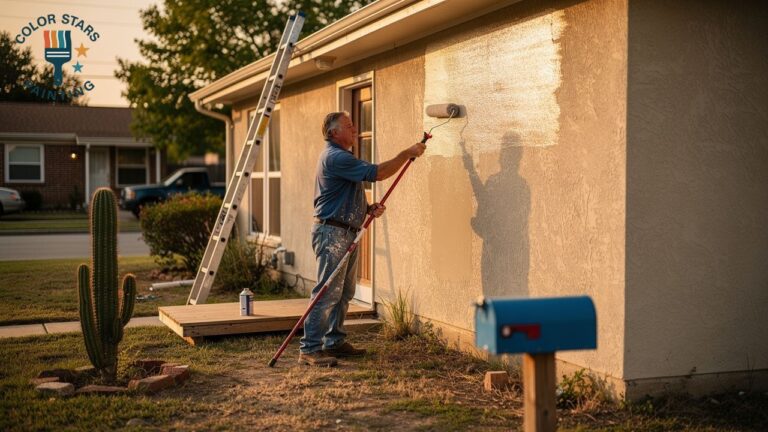
Since wood expands and contracts with temperature fluctuations more than any other siding material, flexibility of the paint film is particularly important. Exterior painting Austin TX frequently has layers of paint that have been built up over many years that require careful scraping prior to applying a new coat.
Unless the wood is rotted, decayed, or damaged, a 100 percent acrylic latex paint, applied to a stain blocking primer, usually provides the best resistance to cracking and peeling in wood siding and trim areas that receive direct afternoon sun, around window sills, and around fascia boards and joints.
Stucco, Brick, and Fiber Cement Board
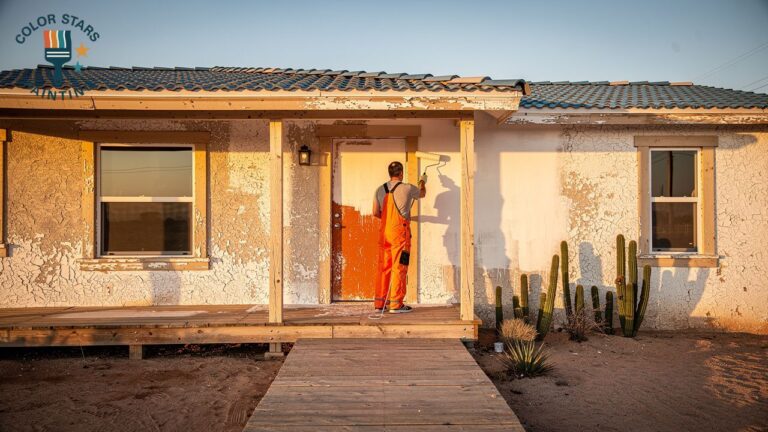
Scruffy is a widespread feature in Central TX and requires a permeable surface to allow moisture buildup beneath a tight seal without retaining it. When it comes to exterior painting Austin TX stucco homes in particular, breathability is more important than sheen or color. If brick is used, it needs to be a masonry grade primer to account for the alkalinity of the surface.
In newer construction, where fiber cement board is becoming more prevalent, paint can be applied and will accept the same acrylic formulations as are suggested for use with wood. The aim in each of these surface types is the same: to maintain flexibility of the film and allow moisture to flow rather than becoming trapped underneath.
Preparation Steps
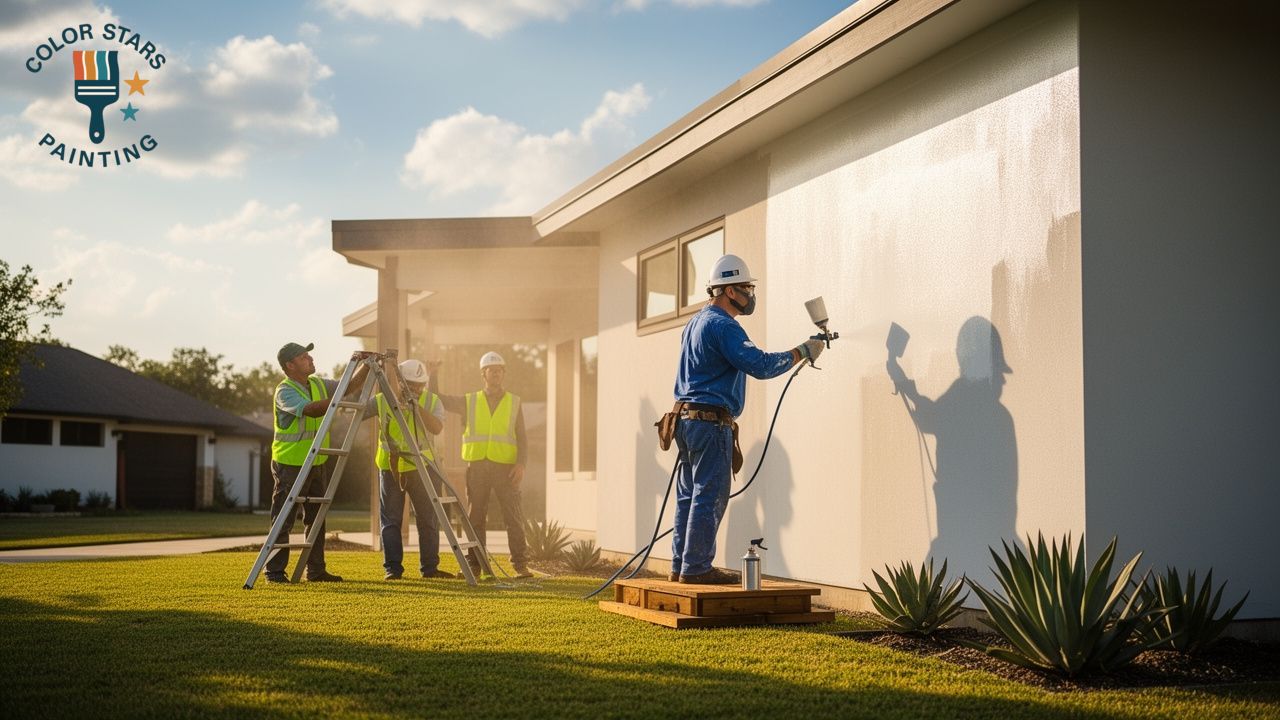
Good results in exterior painting Austin TX start well before anyone opens a paint can. Throughout the humidity of Austin, pollen, dust, and mildew can easily accumulate, and all flaking and chalking paint should be scraped and sanded back to a good surface. Gaps around trim and windows are a more common cause of failure, as they allow wind driven rain to get behind the new paint film.
For homeowners who have a home constructed before 1978, the federal regulations are also in effect for exterior painting Austin TX. If the exterior paint of an older home is to be disturbed by any paid contractor (as in scraping and sanding), EPA’s Renovation, Repair, and Painting rule requires the contractor to be lead safe certified, as these activities can produce lead dust.
If you are looking to hire a painting contractor Austin TX, for an older home, the contractor should be able to provide you with proof of their certification without you having to ask twice.
Timing matters too. Scheduling exterior painting Austin TX work for spring or fall, when temperatures are milder and there’s less risk of paint drying too fast in direct heat or getting rained on partway through, generally produces a better, more even finish than a job squeezed into the peak of July.
Exterior Painting Maintenance in Austin TX
A great paint job isn’t a one time event. Staying ahead of small problems through routine exterior painting maintenance in Austin TX that homeowners can do themselves, like rinsing off dust and checking caulk lines twice a year, extends the life of even the best exterior painting Austin TX project by several years.
A Seasonal Inspection Checklist
Examine the house for chalking residue on your hands after rubbing a wall, cracked or peeling patches at roof lines and window trim, and gaps in caulking that have developed from seasonal movement when walking around the house in the spring and fall. Early detection typically results in a low-key touch up, rather than a complete paint job.
Exterior painting Austin TX homes that get this kind of care usually go seven to ten years between full repaints, in comparison to homes left unchecked that sometimes need work again in half that time.
Qualities of a Reliable Painting Contractor Austin TX
Look for a contractor who explains their surface prep process in detail, offers a written estimate, and uses paint lines rated for the intensity of Central Texas sun rather than a generic all purpose product. A contractor who’s honest about how long exterior painting Austin TX, work should practically last, instead of making promises that sound too good to be true, is typically the more trustworthy choice.
Exterior Painting in Austin TX
Color Stars Painting LLC has helped homeowners across the Austin area complete exterior painting Austin TX projects that hold up season after season, from prep and product selection to a schedule that works with the weather instead of against it. To arrange an evaluation call (512) 815-0310 or email Servando033087@gmail.com.
Frequently Asked Questions
How long will paint last outside?
Properly applied house paint on a well-prepped substrate can hold up 7 to 10 years or more, but frequent exposure to extreme sunshine, temperatures, or humidity will reduce the 7 to 10 year range if not cleaned and primed at the start.
What time of year is it best to paint a house exterior?
Mild, dry weather at the right temperature range and at the correct humidity will allow paint to adhere and cure correctly without either extreme heat, cold, or rain during the process.
Do I need to prime a surface before repainting?
Primer is almost always a good idea on raw wood, patched surfaces, stucco, and masonry. Primer helps new paint stick and blocks stains. Primer also enables better color coverage over the final top coat.
Is it preferable to paint in the morning or afternoon?
Morning, after the dew has evaporated, may be an optimal time. The surface will be cool, and there will be enough time for the paint to begin to cure before the afternoon sun intensifies; if done too hot later in the day, the paint may dry out with poor adhesion.
Is spring or fall the time of year that’s best to paint a house in Austin?
Spring and fall in the area typically present mild, moderate temperatures with a lower chance of extreme heat and the threat of rapid storms the area sees in the summer months.
How will Austin’s humidity affect drying of paint?
It will affect it in the same way that high humidity does at all times: slow drying, and there will be water under the paint film, and it will be much more likely that the paint will blister/peel.
Permit Needed To Paint The Outside In Austin?
For a standard repaint, no permit is normally needed in almost any city around. In Austin, for example, however, if you are thinking about changing the outside structure of your home at all, including installing other siding in addition to painting, you could want to think about contacting the Development Services Department of the City of Austin.
How often should houses be repainted in the Austin area?
Homes generally need a whole house repainting about every seven to ten years, although homes with a great deal of sun exposure, older wood siding, and little upkeep in between paint can require early care.
Sources
- U.S. Environmental Protection Agency, UV Index Scale: Referenced for information on Austin’s summer UV exposure levels and their effect on paint film.
- U.S. Environmental Protection Agency, Lead-Safe Renovations for DIYers and the Renovation, Repair, and Painting Rule: Referenced for guidance on lead paint regulations for homes built before 1978.
- National Weather Service, Austin/San Antonio Forecast Office: Referenced for general climate and seasonal temperature information referenced for Central Texas.
- Texas Department of State Health Services, Environmental Lead Program: Referenced for explanation of how the federal RRP rule is administered within Texas.