Skip to content
Summarize with
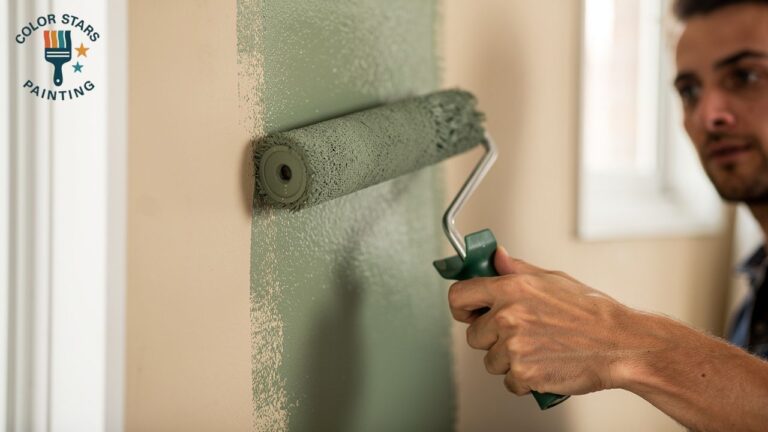
Successful interior house painting in Round Rock, TX requires a focus on surface preparation, humidity management, and the selection of high-quality acrylic resins. To achieve a durable finish in the Central Texas climate, homeowners must use moisture-resistant paints and maintain consistent indoor temperatures between 60 and 80 degrees Fahrenheit during application. This approach prevents common local issues like bubbling, peeling, or uneven drying caused by high humidity.
This guide provides the necessary technical details for planning an interior project, from understanding local cost trends to selecting the right paint finishes for different rooms. Following these professional standards ensures that the final result remains intact for years while resisting the wear and tear of daily life.
Current Market Trends and Costs in Round Rock
The local housing market in Central Texas has seen significant growth, which directly influences the demand for home painters in Round Rock, TX. According to data from the U.S. Census Bureau, Round Rock remains one of the fastest-growing cities in the region. This growth has led to a standardized range for professional painting services as contractors keep up with new construction and renovation needs.
Pricing for interior projects generally depends on square footage, ceiling height, and the condition of the walls. Recent data from HomeAdvisor indicates that the average cost to paint a home interior ranges between $2 and $6 per square foot. In Round Rock, homeowners should expect these rates to vary based on the complexity of the trim work and the number of coats required for full coverage. Large open-concept homes common in local neighborhoods often require more scaffolding and labor, which can affect the final estimate.
Material Selection and Paint Finishes
Choosing the correct paint involves more than just picking a color. The chemical composition of the paint determines how well it adheres to the wall and how easy it is to clean. Modern interior painting services in Round Rock frequently utilize 100% acrylic latex paints. These products offer better flexibility than older formulations, allowing the paint to expand and contract slightly with temperature changes.
The “sheen” or finish of the paint also plays a role in the longevity of the project. High-traffic areas like hallways and kitchens require different finishes than low-traffic areas like guest bedrooms.
| Paint Finish | Durability Level | Best Use Cases | Light Reflection |
| Flat / Matte | Low | Adult bedrooms, ceilings | Absorbs light, hides imperfections |
| Eggshell | Medium | Living rooms, dining areas | Soft glow, resists some staining |
| Satin | High | Kids’ rooms, hallways | Easy to clean, versatile |
| Semi-Gloss | Very High | Trim, cabinets, bathrooms | High moisture resistance |
| High Gloss | Maximum | Shutters, accent furniture | Mirror-like, shows all flaws |
Bonus Tip: When buying multiple cans of the same color, mix them together in a large five-gallon bucket before starting. This technique, known as “boxing,” ensures color consistency across all walls, as slight variations can occur between individual cans during the tinting process.
Regional Climate Impacts on Interior Painting
While interior painting happens indoors, the external environment in Central Texas still affects the process. Round Rock experiences high humidity levels, especially during the spring and fall. High moisture content in the air can slow down the evaporation of water from latex paint, leading to longer dry times and potential surfactant leaching.
The Paint Quality Institute suggests that maintaining a controlled environment is essential for paint film formation. If the humidity inside the home exceeds 70 percent, the paint may not bond correctly to the substrate. Professional painting contractor in Round Rock, TX often use dehumidifiers or air conditioning systems to stabilize the environment before and during the application. Proper ventilation is also necessary to ensure that fumes dissipate and the paint cures according to the manufacturer’s specifications.
Professional Standards for Surface Preparation
Preparation accounts for nearly 75 percent of the work in a high-quality painting project. Skipping these steps often results in visible flaws that paint cannot hide.
- Cleaning: Dust, oils, and cobwebs prevent paint from sticking. Walls should be wiped down with a damp cloth or a mild trisodium phosphate (TSP) solution in kitchens where grease accumulates.
- Repairing: Small holes from nails or larger cracks from settling should be filled with spackling compound or joint compound. Once dry, these areas must be sanded flush with the wall.
- Sanding: Lightly sanding existing glossy finishes creates a “tooth” for the new paint to grip. This step is mandatory when switching from an oil-based paint to a water-based one.
- Priming: Priming is necessary for new drywall, repaired areas, or when making a drastic color change. It seals the surface and provides a uniform base for the topcoat.
Bonus Tip: To get a perfectly straight line on textured walls, apply a thin bead of paintable caulk along the edge of the painter’s tape and smooth it with a finger. This seals the tape and prevents paint from bleeding into the dips of the texture.
Decision Factors for Homeowners
Before starting a project, several factors should influence the final plan. Consideration of these elements helps prevent unexpected costs and ensures the results meet expectations.
Room Function and Lighting
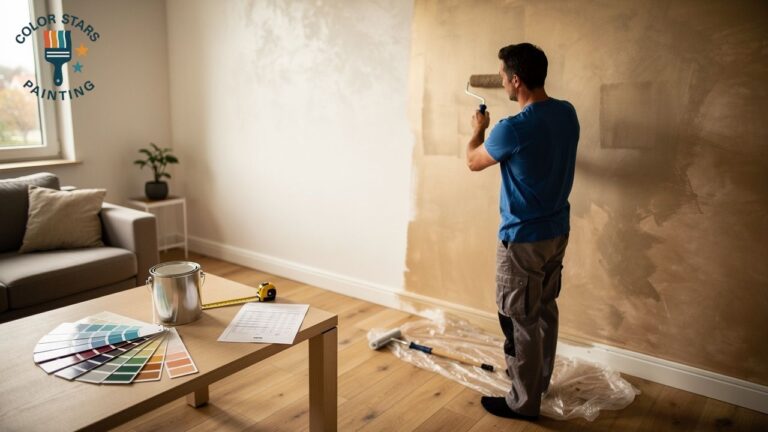
The amount of natural light in a room changes how a color appears. A shade that looks bright in a showroom might look dark in a room with North-facing windows. It is helpful to apply large sample swatches to different walls and observe them at various times of the day.
Longevity and Maintenance
Homeowners planning to stay in their house for many years should prioritize premium paints with high solids content. While these paints cost more initially, they require fewer coats and resist fading. If the goal is to sell the property soon, neutral colors like “greige” or soft whites are more likely to appeal to a broad range of buyers.
Lead Paint Safety
For homes built before 1978, the possibility of lead-based paint exists. According to the Environmental Protection Agency (EPA), any renovation that disturbs lead paint must follow specific lead-safe work practices. Homeowners should verify the age of their property and use certified testing kits if they suspect lead is present.
Common Questions Regarding Interior Painting
Does the ceiling need to be painted every time the walls are painted?
Not necessarily. Ceilings do not experience the same wear and tear as walls. However, if the ceiling has yellowed from age or has water stains, painting it at the same time as the walls creates a much cleaner look. Using a flat ceiling white helps hide imperfections and makes the room feel taller.
How long should the paint dry before moving furniture back?
Most latex paints are dry to the touch within an hour, but they are still vulnerable to damage. It is best to wait at least 24 hours before pushing furniture against the walls, for heavy items or things that might rub against the surface. Waiting three to seven days for the paint to fully cure is safer.
Can I paint over wallpaper?
While it is possible to paint over wallpaper, it is rarely recommended. The moisture in the paint can loosen the wallpaper adhesive, causing the paper to bubble or peel away from the wall. Removing the wallpaper, cleaning the adhesive residue, and priming the wall is the professional standard for a lasting finish.
Direct Answers to Common Concerns
Managing Painting Odors
Modern low-VOC (Volatile Organic Compounds) and Zero-VOC paints have significantly reduced the “new paint smell.” Keeping windows cracked and using box fans to circulate air will help any remaining odors dissipate within a few hours.
Selecting the Right Contractor
When evaluating painting contractor in Round Rock, TX, verify their insurance coverage and ask for local references. A reputable contractor should provide a written contract that specifies the scope of work, the types of paint being used, and the estimated timeline for completion.
Number of Coats Required
In most cases, two coats of paint are necessary for a uniform appearance and proper durability. While “one-coat” paints exist, they often fail to provide the depth of color and thickness needed to withstand cleaning and household activity over several years.
Summary of Key Takeaways
Successful interior painting depends on a controlled environment and rigorous preparation. Using high-quality acrylic paints and matching the sheen to the room’s function ensures a long-lasting result. Homeowners in Round Rock must account for humidity and temperature to avoid application failures. By following these technical standards, the interior surfaces of a home will remain protected and visually appealing for the long term. Evaluate the current condition of the walls and the specific needs of each room to determine the best approach for the project.
Professional Painting Assistance in Round Rock
Color Stars Painting provides interior painting services that Round Rock residents can utilize for all types of residential projects. The team focuses on thorough preparation and the use of high-grade materials to ensure every home receives a durable and professional finish. For those seeking more information or a detailed estimate, Color Stars Painting can be reached at (512) 815-0310 or via email at Servando033087@gmail.com.
Sources
- U.S. Census Bureau – Providing population and growth statistics for Round Rock, Texas, to establish market context.
- HomeAdvisor – Offering data on national and regional average costs for interior painting projects.
- Paint Quality Institute – A source for technical information regarding paint ingredients, humidity impacts, and application best practices.
- Environmental Protection Agency (EPA) – Outlining safety regulations and lead-safe work practices for older residential properties.