Skip to content
Summarize with
The primary signs you need to repaint your house interior include visible damage like peeling or cracking, significant color fading from sun exposure, and persistent scuff marks that no longer come clean. Most interior walls require a fresh coat every five to ten years, though high-traffic areas like hallways and kitchens often need attention sooner. Recognizing these indicators early prevents underlying wall damage and maintains the property value of the home.
Knowing when to repaint interior walls involves more than just looking for a change in style. It requires a technical assessment of the paint film’s integrity and the condition of the substrate beneath it. This guide provides an expert look at the physical and aesthetic signals that suggest the current paint has reached the end of its functional life. The information here comes from years of field experience managing residential interior painting services and observing how different environments affect paint longevity.
Indicators That Your Interior Needs New Paint
Homeowners often wonder how to know when your home needs interior painting before the damage becomes costly to repair. While some signs are obvious, others are subtle changes in texture or hue. Identifying these seven signs helps determine if the home requires a simple touch-up or a full professional update.
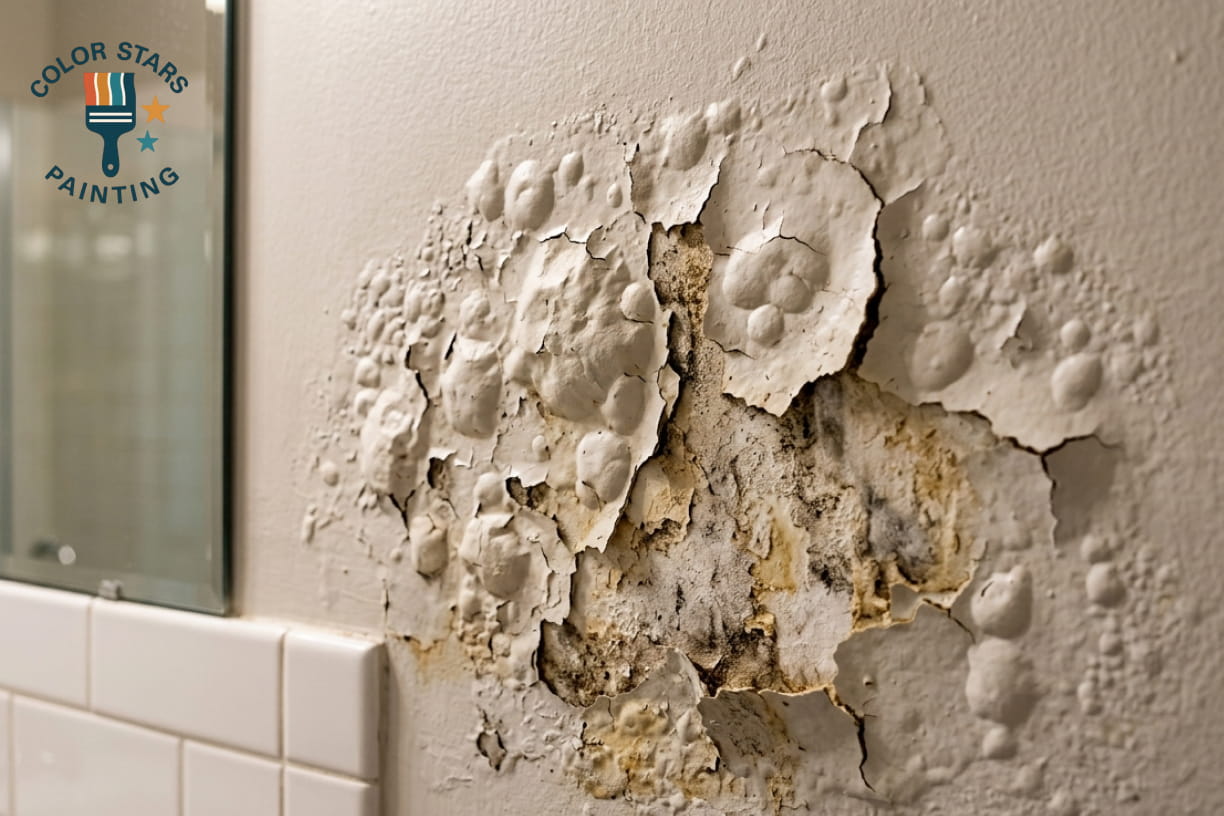
1. Visible Peeling, Cracking, or Flaking
When paint starts to pull away from the surface, it indicates a failure in adhesion. This often happens because the previous layer was applied to a dirty surface or because moisture has worked its way behind the paint film. According to technical guides from Sherwin-Williams, peeling usually begins in small areas near joints or corners and eventually spreads across the wall.
Cracking often looks like small spider webs or “alligatoring” on the surface. This happens when the paint loses its flexibility over time and can no longer expand and contract with temperature changes. If the paint is flaking off in dry chips, the bond between the wall and the coating is completely broken. Ignoring these signs can lead to drywall damage, as the exposed material absorbs moisture from the air.
2. Noticeable Fading and Discoloration
Sunlight is one of the biggest enemies of interior paint. UV rays break down the chemical bonds in paint pigments, causing vibrant colors to look dull or washed out. This is most common in rooms with large windows or southern exposures. A report from Benjamin Moore suggests that darker colors like deep blues, greens, and reds tend to show fading much faster than lighter neutrals.
Discoloration can also occur from chemical reactions or environmental factors. In kitchens, grease and cooking oils can yellow the paint over time. In homes with fireplaces or smokers, walls may take on a grayish or yellowish tint that cannot be washed away. When the original color is no longer recognizable or looks uneven across different walls, a fresh application is necessary.
3. Persistent Scuffs and Hard-to-Remove Stains
In every household, certain areas act as magnets for fingerprints, shoe scuffs, and furniture marks. While high-quality latex paints are designed to be washable, they have a limit. Repeated scrubbing eventually wears down the paint’s sheen, leaving “burnish” marks that look like shiny or dull patches on the wall.
Bonus Tip: To check if a stain is permanent, try cleaning a small area with a mixture of mild dish soap and water. If the mark remains or the paint color starts coming off onto your cloth, the finish has been compromised and needs a new coat.
4. Bubbling or Blistering Surfaces
Bubbles under the paint surface are a clear sign of moisture problems or poor application. When gas or water vapor gets trapped between the wall and the paint, it pushes the film outward. This is a frequent issue in bathrooms and laundry rooms where humidity levels are high.
According to data on home maintenance from Better Homes & Gardens, persistent bubbling often suggests that the room lacks proper ventilation or that a moisture-blocking primer was not used. If these bubbles pop, they leave behind jagged edges and uneven textures that are impossible to hide without sanding and repainting. Address the ventilation issue before applying new paint to ensure the next layer lasts.
5. Outdated Colors and Decor Trends
Sometimes the sign isn’t physical damage but a lack of visual harmony. Color trends shift over time, and a shade that looked modern ten years ago might make a home feel dark or cramped today. Real estate data from the National Association of Realtors indicates that neutral interior colors can significantly improve a buyer’s perception of a home.
Updating a color scheme is one of the most cost-effective ways to change the mood of a living space. If the current colors clash with new furniture or make the room feel uninviting, it is a valid reason to seek residential interior painting services. Professional interior painters can help select modern hues that better reflect the current style of the home.
6. Presence of Chalky Residue
In addition to aesthetic concerns, a technical failure occurs if you run your hand across a wall and a powdery white residue comes off on your fingers, meaning the paint is “chalking.” This is a sign that the binder in the paint has broken down, leaving the pigment particles loose on the surface. While more common on exterior surfaces, it can happen indoors in areas with extreme sun exposure or when low-quality, contractor-grade paint was used.
Chalking makes it difficult for any new paint to stick, so the walls must be thoroughly cleaned and primed before a new topcoat is applied. This residue also makes walls look dull and can trigger allergies in some residents as the fine dust circulates in the air.
7. Gaps and Cracks in Trim and Baseboards
The paint on your trim, baseboards, and crown molding serves as a seal. Over time, wood shrinks and expands, which can cause the caulk and paint to pull away from the wall. You might notice dark lines or gaps where the baseboard meets the drywall.
While these gaps can sometimes be filled with caulk, they usually indicate that the entire room’s woodwork needs a refresh. Because trim is usually finished with a higher gloss than walls, it shows chips and dents more easily. Keeping the trim painted protects the wood from moisture and rot, especially in kitchens and entryways.
Guidelines for Repainting Frequency
The environment of a room dictates how often you should repaint your house interior. High-use areas face more physical contact and environmental stress.
| Room Type | Average Lifespan of Paint | Common Reasons for Wear |
|---|---|---|
| Kitchens and Bathrooms | 3 to 4 years | Humidity, grease, and frequent cleaning |
| Hallways and Entryways | 2 to 3 years | Scuffs, dents, and heavy foot traffic |
| Living and Dining Rooms | 5 to 7 years | Dust accumulation and fading |
| Bedrooms | 6 to 8 years | Minimal contact; mostly style changes |
| Ceilings | 10+ years | Minimal wear and tear |
Essential Factors to Evaluate Before You Begin
While the frequency table above provides a general guide, several technical factors should be evaluated before hiring local house painting contractors or starting a DIY project. Proper preparation determines 90 percent of the final result’s quality.
- Surface Condition: Check for deep holes, water damage, or mold. Painting over mold will not kill it; the underlying issue must be resolved first.
- Existing Paint Type: Determine if the current paint is oil-based or water-based. Applying water-based paint directly over oil-based paint without proper priming will cause it to peel almost immediately.
- Room Function: Consider how the room is used. For example, a child’s bedroom or a kitchen benefits from “scuff-resistant” or “washable” finishes that can withstand frequent cleaning.
- Lighting: View color samples at different times of the day. A color that looks great in the morning light might look completely different under LED bulbs at night.
Bonus Tip: When choosing a finish, remember that higher gloss levels are more durable and easier to clean but highlight every imperfection in the wall. Flat or matte finishes hide bumps and bruises but are harder to wipe down.
Common Questions Homeowners Ask
How can I tell if my paint is oil-based or water-based?
Rub a small area of the wall with a cotton ball soaked in rubbing alcohol. If the paint comes off onto the cotton, it is water-based (latex). If the paint does not rub off, it is likely oil-based and will require a specific primer before you can switch to latex.
Can I just paint over the old color if the walls look fine?
Yes, but you still need to prep. Even if there is no damage, walls accumulate dust, oils, and cobwebs. A light cleaning with a damp cloth and a light sanding will help the new layer bond correctly.
Why does my paint feel sticky months after it was applied?
This is known as “blocking.” It often happens when a door or window is closed before the paint has fully cured, or when low-quality paint is used in high-humidity areas. It usually requires a fresh coat of higher-quality paint to fix.
Is it necessary to prime every time I repaint?
Priming is not always required if you are using a similar color and the wall is in good condition. However, you must prime if you are making a drastic color change, painting over a glossy finish, or repairing damage like water stains or large patches of spackle.
Professional Advice for Long-Lasting Results
The key to a successful interior refresh is recognizing that paint is a protective layer as much as a decorative one. When you spot interior wall repainting signs like cracking or chalking, address them quickly to maintain the structural integrity of your drywall and trim. Regular inspections every few years allow for small touch-ups that can extend the life of a full paint job.
Choosing high-quality materials and following proper application techniques ensures that the new finish stands up to the demands of daily life. Evaluate the specific needs of each room, from moisture resistance in baths to durability in hallways. Taking a methodical approach to home maintenance keeps the living environment healthy and visually appealing for years.
Connect with Home Interior Painting Experts
Maintaining a home requires attention to detail and a commitment to quality. For those looking for expert assistance, Color Stars Painting provides comprehensive residential interior painting services tailored to the specific needs of each property. Whether the project involves a single room or an entire house, the focus remains on durability and precision. To discuss a project or ask questions about the process, contact the team at (512) 815-0310 or reach out via email at Servando033087@gmail.com. Color Stars Painting stands ready to help homeowners achieve a professional finish that lasts.
Sources
- Sherwin-Williams – A leading manufacturer of paints and coatings providing technical data on paint failure and application.
- Benjamin Moore – An authoritative source for color trends, paint chemistry, and maintenance guides for homeowners.
- National Association of Realtors – Provides market data regarding home improvements and the impact of interior painting on property value.
- Better Homes & Gardens – A reputable home improvement publication offering practical advice on identifying and fixing common household issues like paint blistering.