Skip to content
Summarize with
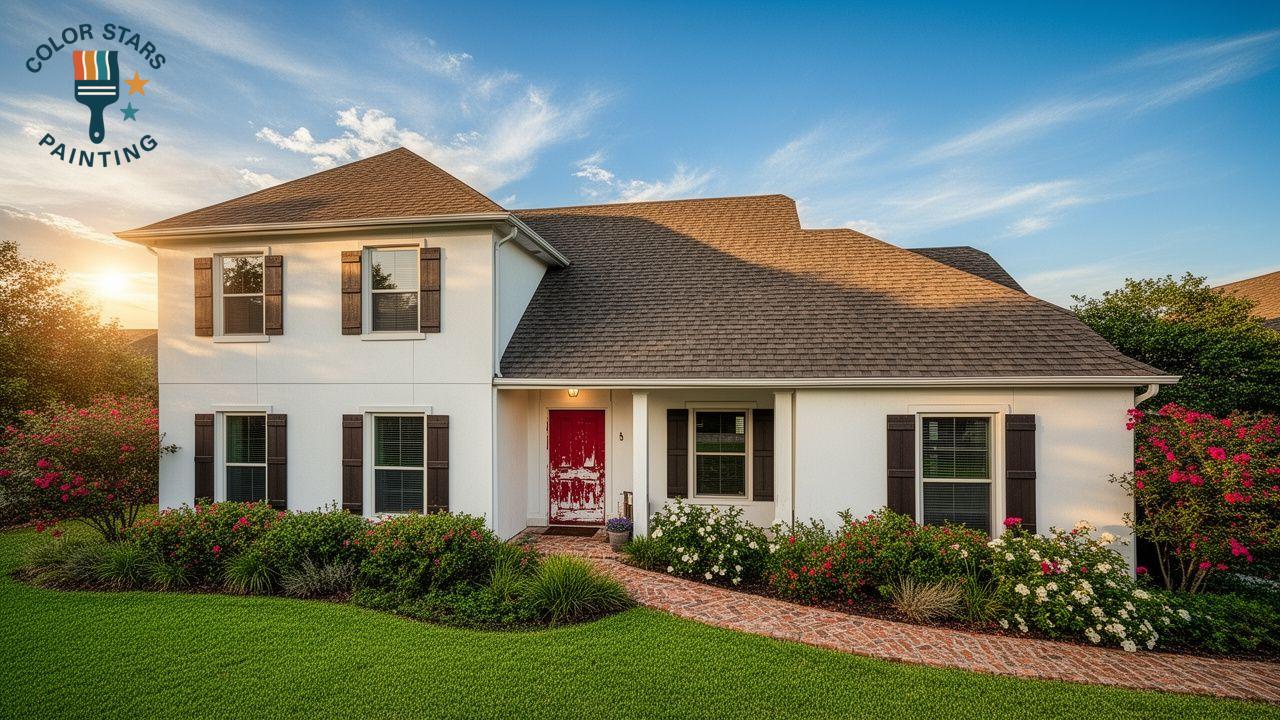
Most homeowners in Central Texas should plan to repaint their house exterior every 5 to 10 years. In Round Rock specifically, the intense sun and high ultraviolet radiation often shorten this window to about 5 to 7 years for wood siding, while fiber cement products like James Hardie siding can often last 10 to 12 years before needing a fresh coat. If you notice visible peeling, chalking, or significant color fading, the protective barrier of the paint has already failed, leaving your home substrate vulnerable to moisture and pest damage.
Determining the exact moment to invest in exterior painting in Round Rock requires looking past simple aesthetics. This guide provides the technical indicators and environmental factors that dictate the exterior paint lifespan Texas homeowners experience. Color Stars Painting shares these insights to help property owners identify early warning signs of paint failure before they develop into costly wood rot or structural damage.
Understanding the Standard Lifespan of Exterior Paint
The durability of an exterior paint job depends heavily on the material of your home. Wood expands and contracts more than masonry, which puts more physical stress on the paint film. Stucco is porous and requires specific elastomeric coatings to bridge small cracks, while modern composites are designed for maximum adhesion.
A report from Consumer Reports indicates that while top-tier paints are rated for 10 years or more, real-world conditions like the Texas heat frequently reduce that duration.
| Siding Material | Typical Paint Lifespan in Texas | Key Maintenance Factor |
| Wood Siding | 5 to 7 Years | Checking for moisture and wood rot |
| Stucco | 5 to 6 Years | Filling hairline cracks before painting |
| Fiber Cement (Hardie) | 10 to 12 Years | Monitoring caulk lines at joints |
| Brick (Painted) | 15+ Years | Ensuring the brick can breathe |
| Aluminum Siding | 5 to 10 Years | Cleaning oxidation before recoating |
Bonus Tip: Look at the south and west sides of your home first. These sides receive the most direct sunlight in Round Rock, so they usually show signs of wear two to three years earlier than the rest of the house.
Visible Indicators That Your Home Needs Immediate Attention
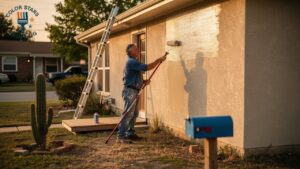
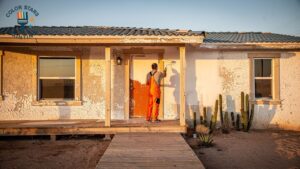
Waiting until paint falls off the house in large sheets is a mistake. By that point, the underlying wood or masonry has been exposed to the elements for months. Identifying early signs of failure allows for easier preparation and a more durable finished product.
Fading and Sun Bleaching
Round Rock experiences high UV exposure. Over time, the chemical bonds in paint pigments break down. Darker colors like deep blues or forest greens absorb more heat and fade faster than lighter shades. When the color looks significantly lighter or duller than it did three years ago, the paint is losing its ability to reflect light and heat.
The Appearance of Chalking
If you run your hand across your siding and a powdery white residue stays on your skin, your paint is chalking. This happens when the binder in the paint disintegrates, leaving the pigment loose on the surface. Chalking is a sign that the paint film is thinning and will soon wash away during the next heavy Texas thunderstorm.
Cracking and Bubbling
When paint loses its flexibility, it can no longer move with the siding. Small “alligator” cracks appear first. If left unaddressed, these cracks allow water to seep behind the paint, leading to bubbles or blisters. This is a clear signal that the adhesion between the paint and the surface has failed.
Environmental Factors Affecting Exterior Maintenance in Round Rock
The climate in Central Texas presents unique challenges for exterior coatings. The transition between extreme summer heat and occasional winter freezes causes building materials to shift.
Data published by the National Weather Service shows that the Austin-Round Rock area regularly sees temperatures exceeding 100 degrees for weeks at a time. This heat literally bakes the moisture out of oil-based paints, making them brittle. Modern acrylic latex paints fare better because they remain flexible, but even they have limits.
Bonus Tip: Avoid painting when the humidity is above 50 percent or when rain is forecast within 48 hours. In Round Rock, the best windows for painting are typically late September through early November or late March through May.
Things to Consider Before Making a Decision
Before you decide when to repaint your home’s exterior in Round Rock, TX, evaluate several factors that influence the cost and longevity of the project.
- Quality of Previous Work: If the previous painter skipped the primer or used low-grade contractor paint, the new coat might fail prematurely.
- Condition of the Caulk: Paint is the skin, but caulk is the seal. If the caulk around your windows and doors is shrinking or pulling away, you need a full repaint and re-caulking to prevent water intrusion.
- Future Plans: If you plan to sell your home soon, a fresh exterior provides a significant boost to curb appeal. As detailed in the following section, high curb appeal correlates directly with increased market value.
- HOA Regulations: Many neighborhoods in Round Rock have strict Homeowners Association rules regarding color palettes and maintenance schedules. Always check your bylaws before selecting a new color.
The Relationship Between Paint and Home Value
A fresh exterior does more than just look good. It acts as the primary defense against the elements. When the signs that a house needs repainting go ignored by Texas homeowners, the cost of the project increases. You are no longer just paying for paint; you are paying for the replacement of rotted trim boards, fascia, and soffits.
Maintaining a consistent painting schedule preserves the structural integrity of the home. This proactive approach ensures that the substrate remains dry and solid. Most buyers in the Round Rock market prioritize homes that show clear evidence of regular maintenance.
Common Questions About Exterior Painting
Does the color of the paint affect how long it lasts? Yes. Lighter colors like tan, beige, and off-white reflect more UV rays and generally last longer in the Texas sun. Darker colors absorb heat, which can cause the siding to expand more and the paint to break down faster.
Can I just paint over peeling paint? Never. Painting over peeling or loose paint is a waste of resources. The new paint will only stick to the old, failing layer. Proper preparation requires scraping, sanding, and priming the bare spots to ensure the new layer bonds to the actual surface of the home.
Is it better to use a sprayer or a brush and roller? Both have their place. Professional teams often use a sprayer to apply an even coat quickly, followed by “back-rolling” with a roller to push the paint into the grain and pores of the siding. This combination provides the best adhesion.
Frequently Asked Questions
How do I know if I have lead paint on my exterior?
If your home was built before 1978, there is a high probability of lead-based paint. In these cases, specific safety protocols must be followed during scraping and sanding. You can use a lead test kit from a hardware store to check before starting any work.
What is the best temperature for exterior painting in Round Rock?
The ideal temperature range is between 50 and 85 degrees Fahrenheit. While modern paints can be applied in temperatures as high as 90 degrees, the paint may dry too fast, preventing it from leveling out properly and leaving visible brush or roller marks.
How many coats of paint does a typical home need?
Most professional standards require two coats of high-quality paint. The first coat acts as a base and provides initial protection, while the second coat ensures uniform color, sheen, and the necessary thickness to withstand the weather.
Does pressure washing count as preparation?
Pressure washing is only the first step. It removes dirt, mildew, and some loose paint. However, it does not replace the need for hand-scraping loose edges or sanding rough spots. Painting a damp house will also cause the paint to peel, so the home must dry for at least 24 to 48 hours after washing.
Why is my paint bubbling near the ground?
Bubbling near the foundation often indicates a moisture problem. This could be caused by sprinklers hitting the siding daily or soil being piled too high against the house. These issues must be fixed before repainting, or the new paint will bubble again within months.
Moving Forward With Your Painting Project
Maintaining the exterior of your home is a continuous cycle of inspection and action. By recognizing the signs of wear early, you can avoid the high costs associated with neglected property. Evaluate the current state of your siding by looking for chalking, fading, and cracks in the caulk. If your home has reached the seven-year mark since its last paint job, it is likely time to begin planning for a refresh. Consistent upkeep ensures that your property remains protected and retains its value in the competitive Round Rock market.
Get Expert Guidance For Your Home
If you are unsure about the condition of your exterior, professional assistance can help identify hidden issues. Color Stars Painting offers detailed assessments for homeowners in the Round Rock area. You can reach the team at (512) 815-0310 or via email at Servando033087@gmail.com to discuss the specific needs of your property. Taking a proactive approach to maintenance today prevents structural problems tomorrow.
Sources
- Consumer Reports – Comprehensive guide on paint durability and testing standards for exterior coatings.
- National Weather Service – Climate data and temperature records for the Austin and Round Rock region.
- Zillow – Research on how exterior maintenance and paint colors influence property value and marketability.