Skip to content
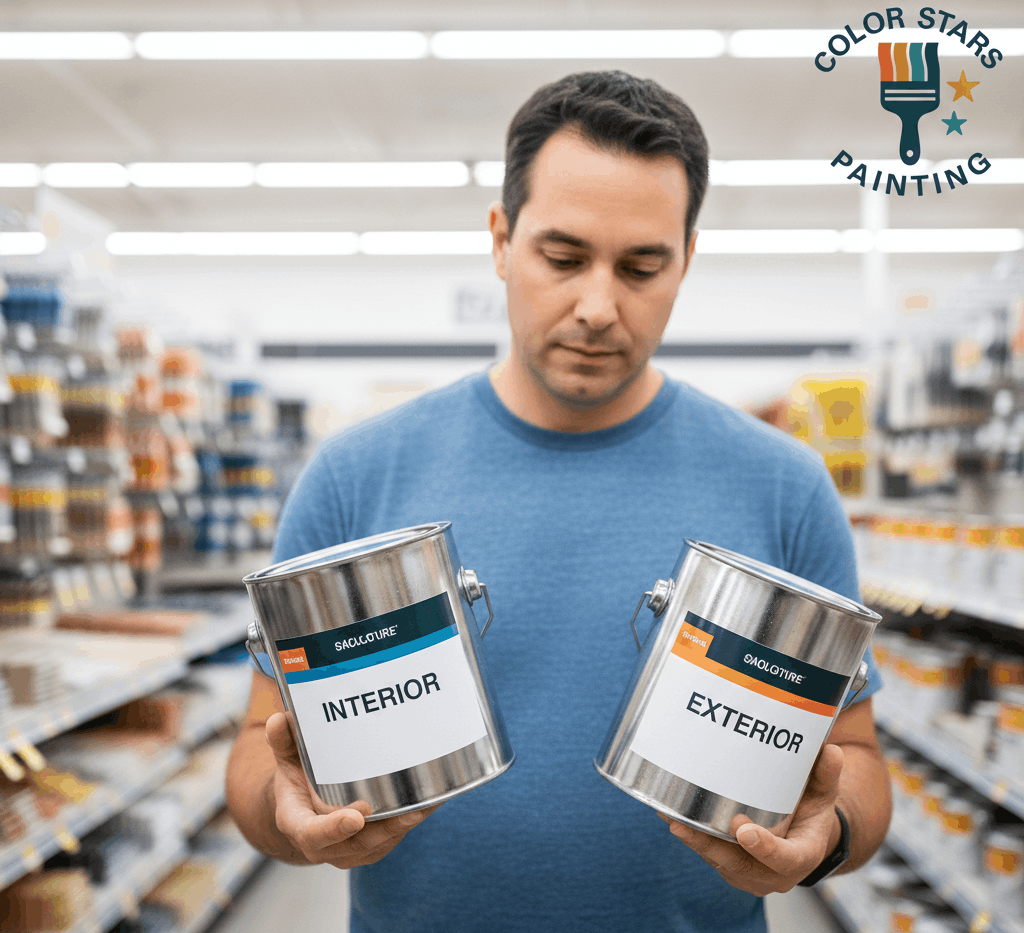
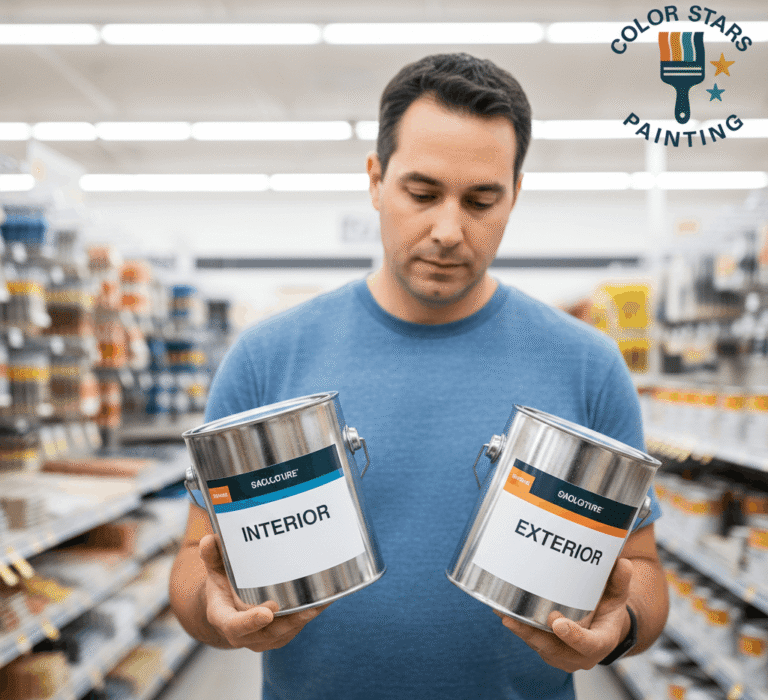
Interior and exterior paints differ primarily in their chemical makeup, specifically in the types of resins and additives used. Exterior paint is designed to remain flexible to accommodate temperature changes and resist moisture, fading, and mildew. In contrast, interior paint is formulated with harder resins to withstand abrasions, stains, and frequent cleaning while maintaining low chemical emissions for indoor air quality.
Selecting the wrong product can lead to peeling, cracking, or health concerns due to fumes. This guide examines the technical distinctions and practical applications of these coatings to ensure every surface receives the correct protection. Years of professional application show that the choice of resin determines how the paint performs under stress.
Physical Characteristics and Resin Composition
The binder, or resin, is the ingredient that holds the pigment together and secures it to the surface. Exterior paints use soft resins because flexibility is necessary; outdoor surfaces like wood and siding expand and contract as temperatures rise and fall. If a rigid paint were applied to the outside of a home, it would quickly crack and flake off as the substrate moves.
Interior paints utilize significantly harder resins. This hardness is required because indoor walls face different challenges, such as furniture bumping into them or children marking them with crayons. These resins provide a smooth finish that resists “burnishing,” which refers to the shiny marks left behind after a surface is rubbed or cleaned.
Environmental Resistance and Additive Packages
Manufacturers include specific chemical additives to help paint survive in its intended environment. Exterior paint contains high levels of UV protection. Sunlight acts as a catalyst that breaks down the chemical bonds in paint, leading to chalking and fading. According to technical data from Sherwin-Williams, exterior coatings are engineered to block these rays and preserve color for several years.
Exterior formulas also include fungicides and mildewcides because moisture from rain and humidity encourages the growth of mold. These additives prevent spores from taking hold on the siding. Conversely, interior paints rarely contain these heavy-duty chemicals because the indoor environment is controlled. Instead, interior additives focus on flow and leveling, helping the paint spread evenly without leaving brush marks.
Bonus Tip Never use exterior paint inside a poorly ventilated room. The mildewcides in exterior paint can continue to release odors for weeks, which may cause headaches or respiratory irritation for occupants.
Health Safety and Volatile Organic Compounds
Volatile Organic Compounds, or VOCs, are gases emitted by paints as they dry. Interior paints are subject to strict regulations regarding these emissions. According to the Environmental Protection Agency, indoor air can be significantly more polluted than outdoor air, making low-VOC or zero-VOC paints the standard for interior work. These products allow residents to occupy a room shortly after painting without inhaling harmful vapors.
Exterior paints often have higher VOC levels. Since they are applied in the open air, the fumes dissipate quickly and do not pose the same risk to the painter or the homeowner. The higher VOC content in some exterior paints often correlates with stronger adhesion properties and better weather resistance.
Durability and Maintenance Requirements
The way a paint handles wear and tear defines its category. Interior painting is rated for “scrubbability,” meaning the paint film can survive being wiped with a damp cloth and mild soap without the color lifting. Most high-quality interior paints use a higher ratio of pigments to binders to ensure deep, rich colors that do not fade under indoor lighting.
Exterior paint durability is measured by its ability to shed water and resist “blocking.” Blocking occurs when two painted surfaces stick together, such as a door and its frame. Exterior paints must dry to a state where they do not stick, even in high heat and humidity.
| Feature | Interior Paint | Exterior Paint |
|---|---|---|
| Resin Type | Hard and rigid | Soft and flexible |
| UV Resistance | Minimal | High |
| VOC Levels | Very low or zero | Higher concentrations |
| Primary Additives | Flow and leveling agents | Mildewcides and UV blockers |
| Scrub Resistance | High (withstands cleaning) | Low (prone to damage from scrubbing) |
| Best Application | Drywall, trim, ceilings | Siding, masonry, outdoor wood |
Market Trends and Product Evolution
The demand for specialized coatings continues to grow as homeowners seek longevity in their property investments. Data from Grand View Research indicates that the architectural coatings market is shifting toward more sustainable, water-based technologies for both interior and exterior use. This shift is driving the development of “hybrid” paints, though professional standards still recommend using category-specific products for the best results.
Current manufacturing allows for exterior paints that can be applied in temperatures as low as 35 degrees Fahrenheit. In the past, exterior painting was limited to warm summer months; now, the chemistry of the binders allows for a wider application window.
Things to Consider Before Making a Decision
Before choosing a gallon of paint, evaluate the specific needs of the surface.
- Moisture Exposure: Bathrooms and kitchens are interior spaces but face high moisture. While interior paint is the correct choice, a product with a higher sheen like semi-gloss will resist water better than a flat finish.
- Sunlight Levels: If a room has large floor-to-ceiling windows, the interior paint will face high UV exposure. In these cases, selecting a premium interior paint with high-quality pigments is necessary to prevent fading.
- Ventilation: If a project involves an enclosed sunroom that is not climate-controlled, the choice becomes more complex. While exterior paint may be necessary to withstand temperature shifts, you must ensure the area is exceptionally well-ventilated to safely manage the chemical emissions.
- Surface Material: Exterior paints are often formulated for specific substrates like masonry or vinyl siding. Always match the paint type to the material of the wall.
Common Questions About Paint Types
Many people wonder if they can save money by using leftover paint for every project. Using interior paint outside is a mistake that becomes evident within months. Without UV blockers, the paint will turn to dust and wash away with the first rain. The lack of flexibility will also cause it to crack as the sun hits the siding.
Another common question involves using exterior paint on interior trim. While exterior paint is tough, it remains “tacky” for a long time. If used on a window sill inside, the window might stick shut permanently. The strong odor is also a deterrent; exterior paint is designed to release chemicals into the wind, not into a bedroom or living room.
Bonus Tip If a project requires painting a door, use an exterior-rated paint for the side facing the street and an interior-rated paint for the side facing the hallway. This ensures both sides of the wood are protected according to their specific environments.
Answers to Frequently Asked Questions
Can interior paint be used on a covered porch?
No. Even if the porch is covered, it is still exposed to humidity, temperature swings, and indirect sunlight. Interior paint lacks the fungicides required to prevent mildew in damp environments and will likely peel within a single season.
Why does exterior paint take longer to dry?
The flexible resins and various additives in exterior paint are designed to cure slowly. This slow curing process helps the paint form a stronger bond with the substrate and ensures the additives are distributed evenly throughout the film.
Is there a price difference between the two?
Generally, exterior paint is more expensive. The cost of UV-resistant pigments and mildewcides increases the manufacturing price. While prices vary by brand, a gallon of premium exterior paint usually costs more than a gallon of premium interior paint.
Can I mix interior and exterior paint together?
Mixing the two is not recommended. The different resin structures can clash, leading to a mixture that does not dry properly or fails to adhere to surfaces. Mixing essentially ruins both cans of paint.
How do I know if the old paint on my wall is interior or exterior?
It is difficult to tell by sight alone. However, if you rub a damp cloth on the surface and the paint comes off easily or looks chalky, it might be an exterior paint that was used incorrectly inside, or a very old, low-quality flat interior paint.
Professional Advice for Long Term Success
Understanding these differences ensures that a paint job lasts for years rather than months. Interior surfaces require hardness and safety, while exterior surfaces demand flexibility and chemical resistance. Always check the label for the VOC content and the recommended temperature range for application. Color Stars Painting advises checking the weather forecast forty-eight hours in advance of any exterior project to ensure the paint has time to dry before rain arrives. Proper surface preparation combined with the correct paint type is the only way to achieve a professional finish.
Ready for Your Next Project
Selecting the right coating is the first step toward a beautiful home. For assistance with choosing colors or professional application, contact Color Stars Painting at (512) 815-0310. Whether the project involves refreshing a living room or protecting a home from the elements, the team provides expert service tailored to your specific needs. Questions can also be sent via email to Servando033087@gmail.com to get started on a transformation today.
Sources
- Sherwin-Williams – Provider of technical data sheets regarding paint resin types and UV resistance.
- Environmental Protection Agency – Government resource for Volatile Organic Compound (VOC) regulations and indoor air quality standards.
- Grand View Research – Market analysis firm providing data on the global architectural coatings industry.
- Consumer Reports – Independent testing organization that evaluates the durability and scrubbability of various paint brands.