Skip to content
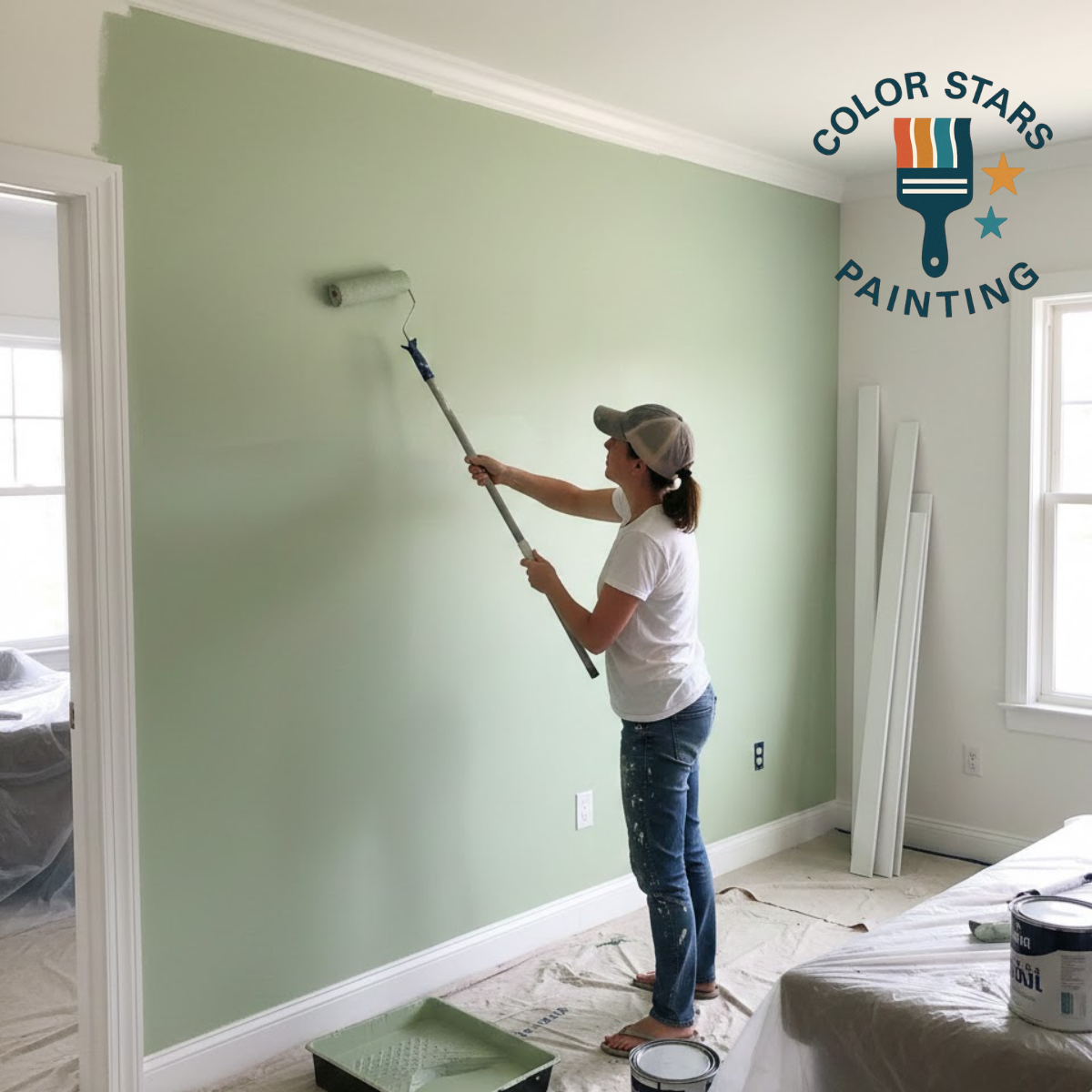
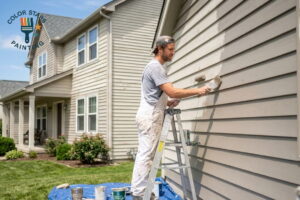
Exterior paint usually lasts between five and ten years, while interior paint can maintain its appearance for up to fifteen years. These timelines vary significantly based on the local climate, the type of surface material, and the quality of the preparation work. While brick and fiber cement hold paint for long periods, wood and high-moisture areas often require more frequent attention.
Understanding these timelines helps homeowners plan for maintenance before expensive damage occurs to the underlying structure. Color Stars Painting LLC provides this detailed breakdown to help identify when a home needs a fresh coat to ensure protection and aesthetic value.
Exterior Paint Durability by Surface Type
The material on the outside of a home dictates how often it needs painting. Different substrates expand and contract at various rates when temperatures change, which affects how well the paint film adheres over time.
Wood siding typically requires a new coat every three to seven years. Because wood is porous and organic, it absorbs moisture and shifts with humidity. This movement stresses the paint bond, eventually leading to cracks or peeling. If the wood is stained rather than painted, expect to re-apply the finish every four years to prevent rot.
Stucco surfaces generally hold paint for five to six years. The textured nature of stucco can trap dirt and moisture, but high-quality acrylic latex paints designed for masonry can extend this window. Brick is much more resilient and can go fifteen to twenty years without needing a new application, provided the mortar remains in good condition.
Aluminum and vinyl siding often last five or more years once painted. While vinyl does not require paint for protection, many people update it for color changes. According to data from Randalls, the specific climate plays a massive role in these estimates, as intense sun or salty sea air can cut these lifespans in half.
Interior Paint Longevity in Different Rooms
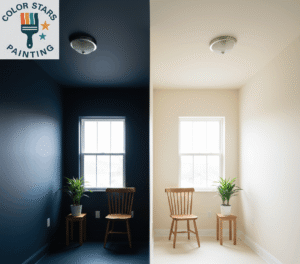
Interior paint lasts much longer than exterior paint because it does not face rain, snow, or extreme temperature swings. Most interior walls stay in good shape for ten to fifteen years. However, the function of the room determines the actual wear and tear the paint experiences.
High-traffic areas like hallways, kitchens, and bathrooms usually need updates every three to five years, making interior painting services a practical solution. In kitchens, grease and food splatter require frequent cleaning, which can eventually dull the finish or wear down the paint layer. Bathrooms face high humidity and moisture, which can lead to mildew or surfactant leaching if the paint is not specifically formulated for wet environments.
Bedrooms and formal dining rooms often last a decade or more. These spaces see less physical contact and lower humidity levels. Ceiling paint is the most durable, frequently lasting fifteen to twenty years since it is rarely touched and stays away from most household dirt.
Typical Lifespan of Common Materials
The following table outlines the expected duration of paint on various common home surfaces under normal weather conditions.
| Surface or Area Type | Average Paint Lifespan | Primary Cause of Failure |
|---|---|---|
| Wood Siding | 3 to 7 Years | Moisture absorption and wood rot |
| Stucco | 5 to 6 Years | Cracking and dirt accumulation |
| Aluminum Siding | 5 Years | Chalking and fading |
| Brick (Painted) | 15 to 20 Years | Efflorescence and moisture trapped in brick |
| Fiber Cement | 10 to 15 Years | UV degradation |
| Interior Walls | 10 to 15 Years | Scuffs, stains, and fading |
| Interior Trim | 5 to 10 Years | Physical impact and chipping |
Signs that House Paint is Failing
Waiting until paint falls off in large sheets is a mistake. Recognizing early warning signs allows for minor repairs rather than a full strip and sand job.
Chalking is a common sign of age. If you rub your hand across the siding and a chalky white powder comes off, the binder in the paint is breaking down. This usually happens on sides of the house that receive direct sunlight for most of the day.
Fading also indicates that the protective properties of the paint are diminishing. Dark colors tend to fade faster than lighter shades because they absorb more UV radiation. When the color looks patchy or significantly lighter than the original shade, the paint is no longer providing an effective barrier against the elements.
Bubbling and peeling are more serious issues. These signs suggest that moisture is trapped behind the paint film or that the paint has lost its adhesion to the surface. According to a report by Better Homes & Gardens moisture is the leading cause of exterior paint failure. If left unaddressed, exposed wood can quickly begin to rot, leading to much higher repair costs.
Bonus Tip: Perform a “fingernail test” on suspicious spots. If the paint feels soft or can be easily scraped away with a fingernail, the bond is gone and it is time to repaint.
Factors that Influence Paint Endurance
Not every paint job is equal. Several variables determine whether a finish lasts three years or ten. The quality of the product is one of the most significant factors. Higher quality paints contain more solids and better resins, which create a thicker and more flexible film.
Market research from Coohom indicates that the demand for high-performance coatings is rising as homeowners seek longer-lasting solutions to protect their investments. Choosing high-performance products often pays for itself by extending the time between projects.
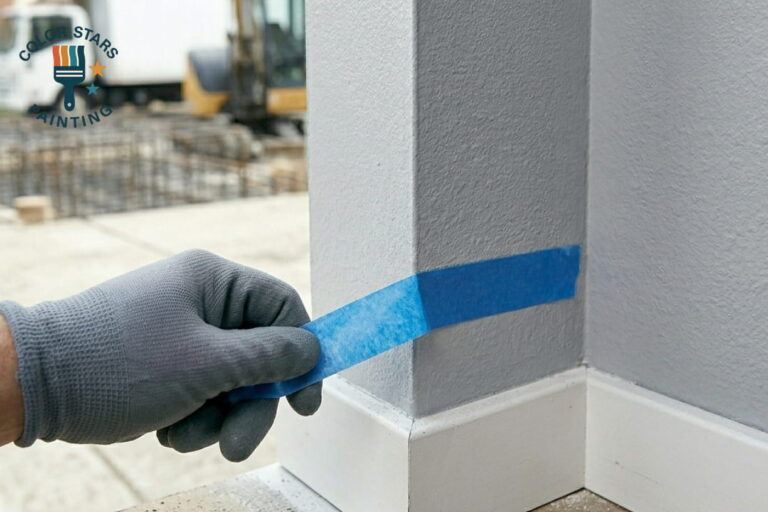
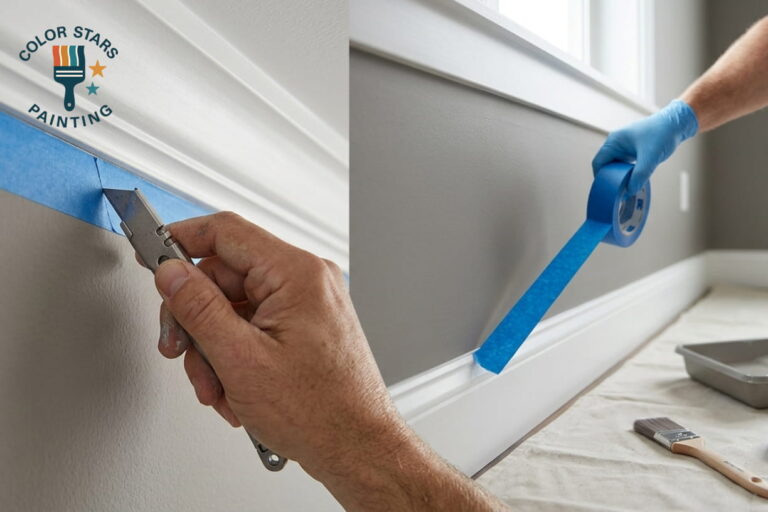
Preparation work is equally important. Applying the best paint in the world over a dirty or peeling surface will result in early failure. Proper preparation includes pressure washing, scraping away loose paint, sanding rough edges, and applying a primer to bare spots.
Climate also dictates longevity. Homes in areas with high humidity or extreme temperature fluctuations see shorter paint lifespans. For example, the intense sun in the southern United States can cause paint to oxidize and fade much faster than in more temperate regions.
Things to Consider Before Making a Decision
Before choosing a new paint or deciding to wait another year, evaluate the current state of the home. Ignoring small cracks in the paint can lead to water intrusion.
- Inspect the caulking around windows and doors. If the caulk is cracked or missing, water can get behind the siding and push the paint off from the inside out.
- Check for lead if the home was built before 1978. Older paint layers might contain lead, which requires specific safety protocols for removal and preparation.
- Assess the gloss level. Glossier finishes are generally more durable and easier to clean, making them better for trim and high-traffic areas.
- Review the historical weather patterns. If the area has recently experienced severe storms or high heat, the paint may have aged faster than expected.
Bonus Tip: Wash the exterior of the house once a year. Removing dirt and bird droppings prevents organic matter from breaking down the paint film prematurely.
Common Questions about Painting Frequency
People often wonder if they can simply paint over old layers. While possible, it is not always recommended if the old paint is failing. Adding weight to a peeling layer only hastens the failure of the new coat.
Another frequent question involves the number of coats needed. While some products claim to be “one-coat” solutions, two coats are almost always better for exterior durability. The second coat ensures even coverage and provides a thicker shield against UV rays and rain.
Common Concerns Addressed
Is it okay to wait until the paint is peeling to repaint?
Waiting until peeling occurs often means the underlying material is already exposed to weather. This can lead to wood rot or masonry damage. It is better to repaint when the color begins to fade or chalking becomes evident.
Does the color of the paint affect how long it lasts?
Yes, lighter colors typically last longer. Darker pigments absorb more heat and UV rays, which causes the paint to expand and contract more aggressively. This extra movement can lead to faster cracking and fading.
Can I paint my house during any season?
Temperature and humidity must be within specific ranges for paint to dry and cure properly. Most latex paints require temperatures above 50 degrees Fahrenheit. Painting in extreme heat or high humidity can cause the paint to dry too fast or fail to bond.
How does the type of paint affect longevity?
Acrylic latex paint is generally the best choice for exteriors because it remains flexible. This flexibility allows it to move with the house as temperatures change. Oil-based paints are harder and more brittle, making them more likely to crack over time on exterior surfaces.
Does professional application make a difference?
Professional application ensures that the surface is cleaned and primed correctly. Many failures happen because of poor preparation rather than the paint itself. Color Stars Painting LLC emphasizes that thorough prep work is the most important part of any project.
Summary of Maintenance Timelines
Maintaining a home involves keeping a close eye on the condition of the paint. Most exterior surfaces need a refresh every five to ten years, while interiors can go much longer. Wood and stucco require more frequent attention than brick or fiber cement. Environmental factors like sun exposure and moisture are the primary enemies of a long-lasting finish. By recognizing signs of wear like chalking and fading, you can address needs before they become expensive structural repairs. Regular inspections and yearly washing can extend the life of any paint job.
Expert Service from Color Stars Painting LLC
Properly maintaining a home requires a balance of timing and quality materials. If the siding shows signs of fading or the interior walls look worn, professional assistance ensures the job is done correctly. Color Stars Painting LLC provides expert application and thorough preparation to protect any property. For more information or to discuss a specific project, contact Servando033087@gmail.com or call (512) 815-0310.
Sources
- Better Homes & Gardens– A professional guide on exterior and interior paint longevity and maintenance.
- Randalls – An analysis of how various materials and environmental factors impact paint life.
- Coohom – Market and expert insights regarding trends and performance of modern paint coatings.