Skip to content
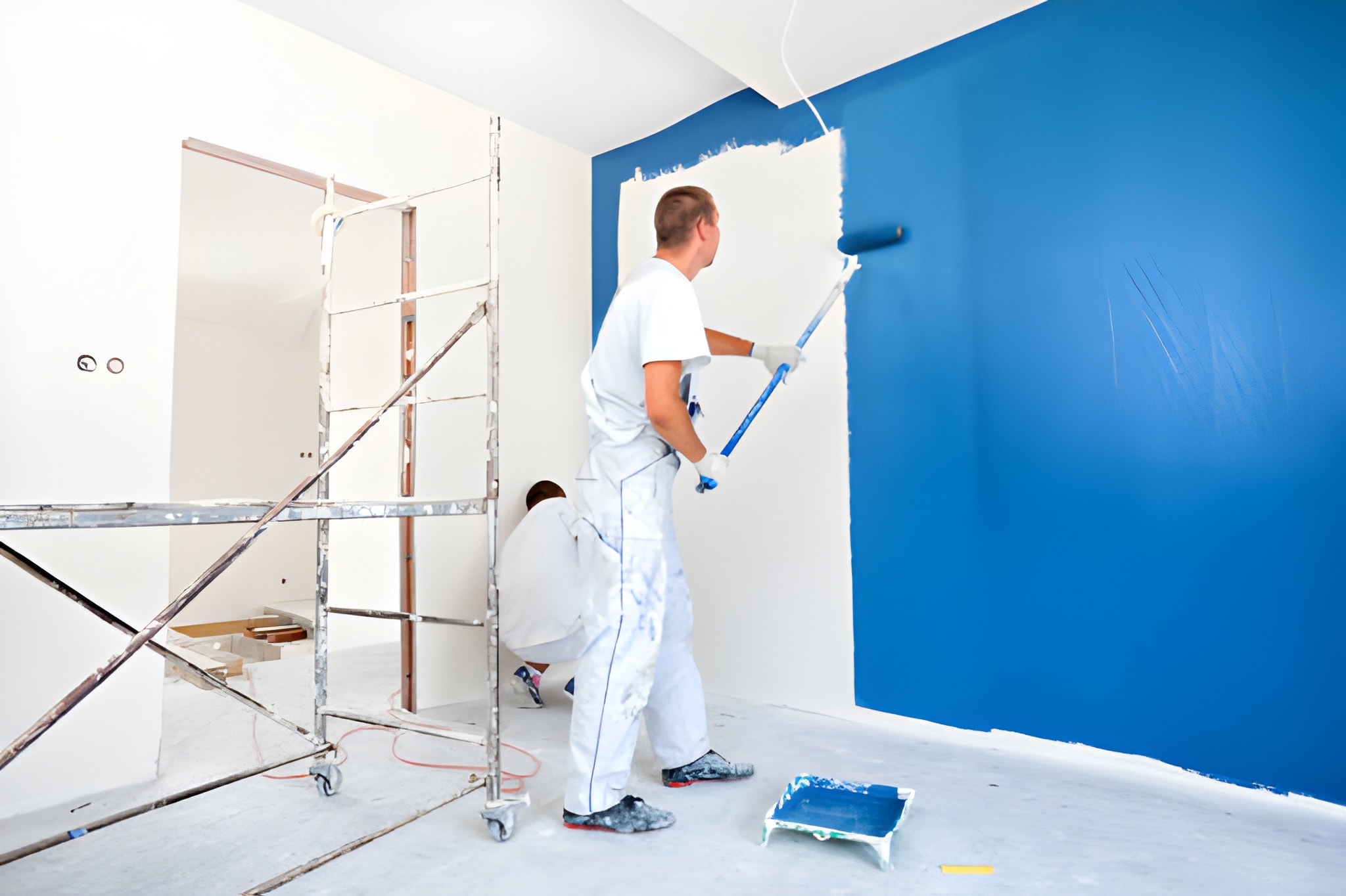
Painting may seem simple: pick a color, grab a brush, and roll. In reality, professional painting is a careful combination of science, art, and technical expertise. A high-quality paint job doesn’t just improve aesthetics; it protects surfaces, extends the lifespan of your property, boosts curb appeal, and even enhances occupant well-being.
Professional painting involves detailed planning, surface preparation, material selection, expert application, and responsible cleanup. Homeowners and business managers who understand the full process are better equipped to make informed decisions that save time, money, and stress.
Why Professional Painting Matters
Many people attempt DIY painting to save money, but the hidden costs and potential pitfalls often outweigh the upfront savings. According to HomeAdvisor, more than 60% of DIY paint jobs develop noticeable defects within 2–5 years, while professionally executed projects typically last 8–10 years indoors and up to 12 years outdoors.
Advantages of Professional Painting
Hiring skilled painters means your walls and surfaces get done right the first time, avoiding peeling, uneven color, or repeated touch-ups. It also frees you from the stress and mess of DIY projects while protecting your home or business investment.
Expert Surface Preparation
Surface preparation is the backbone of a long-lasting paint job. Professional painters identify subtle issues that a DIYer might miss, such as water stains behind trim, hidden mold, cracked drywall, or previously poorly applied paint. Surface irregularities can cause peeling, bubbling, or fading over time. Proper preparation includes cleaning, sanding, filling cracks, and priming, which together account for over 50% of a paint job’s durability (Journal of Coatings Technology and Research).
Time Efficiency
A professional crew can complete jobs faster than DIY efforts because of experience, planning, and teamwork. Whereas painting a single room yourself might take weeks, trained painters handle entire homes or office spaces in days. Their efficiency comes from using the right tools, staging the work properly, and solving unforeseen challenges on the spot without trial and error.
Safety and Compliance
Painting can involve heights, scaffolding, heavy equipment, and hazardous substances like lead-based paints. Professionals follow OSHA safety regulations and EPA RRP rules (EPA) to protect workers and occupants. Attempting a DIY project can expose you to fall risks, chemical hazards, or costly compliance violations.
Longevity and Quality
Industrial-grade paints and expert application techniques provide even coverage, crisp lines, and long-lasting color. A high-quality professional job prevents fading, cracking, and peeling, which can be a common problem with DIY painting.
Cost Efficiency
Although professional painting appears more expensive initially, it reduces long-term costs by preventing surface damage, eliminating repeated paint purchases, and avoiding labor-intensive fixes. Additionally, pros source materials at trade prices, use the right quantity, and minimize waste.

Understanding the Painting Process
Professional painting is a structured, multi-step process designed for durability and safety.
Assessment and Planning
Before a single brush stroke, professionals evaluate surfaces, environmental conditions, and material needs. They measure walls, ceilings, and exterior siding for accurate paint calculations, identify moisture-prone areas, and plan for obstacles like fixtures or furniture. Proper assessment reduces surprises during the project and ensures the correct paint type, primer, and techniques are used.
Planning also considers project timelines, weather conditions for exterior work, and minimizing disruption to the household or office. For commercial clients, planning may involve coordinating around business hours to reduce downtime, demonstrating that painting isn’t just cosmetic, it’s strategic.
Surface Preparation
Surface prep is arguably the most important part of painting. It includes:
- Cleaning surfaces from grease, dust, and mildew
- Sanding glossy, rough, or uneven areas
- Repairing holes, cracks, or damaged drywall
- Applying the correct primer based on surface type and condition
Proper prep improves adhesion, prevents premature peeling, and ensures a smooth finish. Studies show that neglecting surface prep is the leading cause of paint failure, and even a small oversight can reduce lifespan by years (Journal of Coatings Technology).
Paint and Material Selection
The type of paint influences durability, finish, and indoor air quality. Professionals select paint based on:
- Surface type: drywall, plaster, wood, metal, or concrete
- Environmental exposure: UV rays, moisture, or extreme temperatures
- Desired finish: matte, eggshell, satin, semi-gloss, or gloss
- VOC content: low- or zero-VOC paints for safer indoor air (EPA)
A careful match of material and application method ensures long-term protection and optimal enhancements. For instance, moisture-resistant satin finishes are ideal for bathrooms and kitchens, while matte finishes elegantly hide imperfections in living spaces.
Application Techniques
Professional painters choose between brushes, rollers, or sprayers depending on the project. Techniques are tailored for smoothness, coverage, and efficiency. For exteriors, timing is critical to avoid rain or high humidity that can compromise adhesion. Each stroke is deliberate, with attention to overlapping coats and consistent drying times.
Example: A medium-sized living room requires 3–4 hours of preparation and 4–6 hours of application when handled by pros, compared to several weekends for a DIY approach.
Cleanup and Inspection
After painting, cleanup ensures a professional finish:
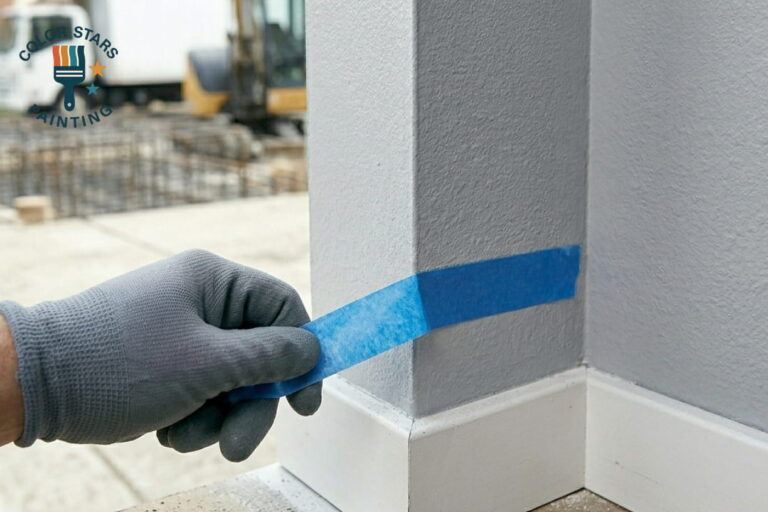
- Removing tape and protective coverings
- Cleaning brushes, rollers, and sprayers
- Properly disposing of leftover materials
- Conducting a walkthrough to inspect edges, coverage, and final touches
This step guarantees minimal disruption post-project and maintains the quality of the finished surface. Professionals often provide guidance on care and maintenance, extending the life of the paint.
Residential Painting Services
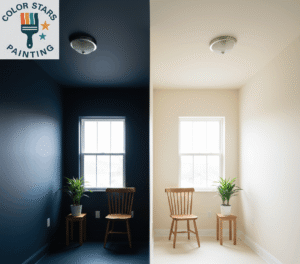
Painting a home is much more than a cosmetic update; it’s an investment in both comfort and longevity. The right paint and application techniques influence the atmosphere of each room, affecting mood, energy levels, and even mental clarity. For instance, research from the University of British Columbia indicates that warm tones like soft yellows and peaches can boost positive emotions, while cooler shades such as blues and greens encourage relaxation and focus.
Beyond aesthetics, painting acts as a protective barrier, shielding walls and trim from moisture, UV damage, and everyday wear. Proper surface preparation, including patching cracks, sanding, and priming, helps prevent peeling, mold growth, and premature fading, extending the lifespan of your investment.
Interior Painting Services
Interior painting goes beyond just adding color; it enhances your living environment, protects surfaces, and can even impact mood and productivity. Professionals approach interior painting with precision, using techniques and materials suited for each surface.
Walls and Ceilings
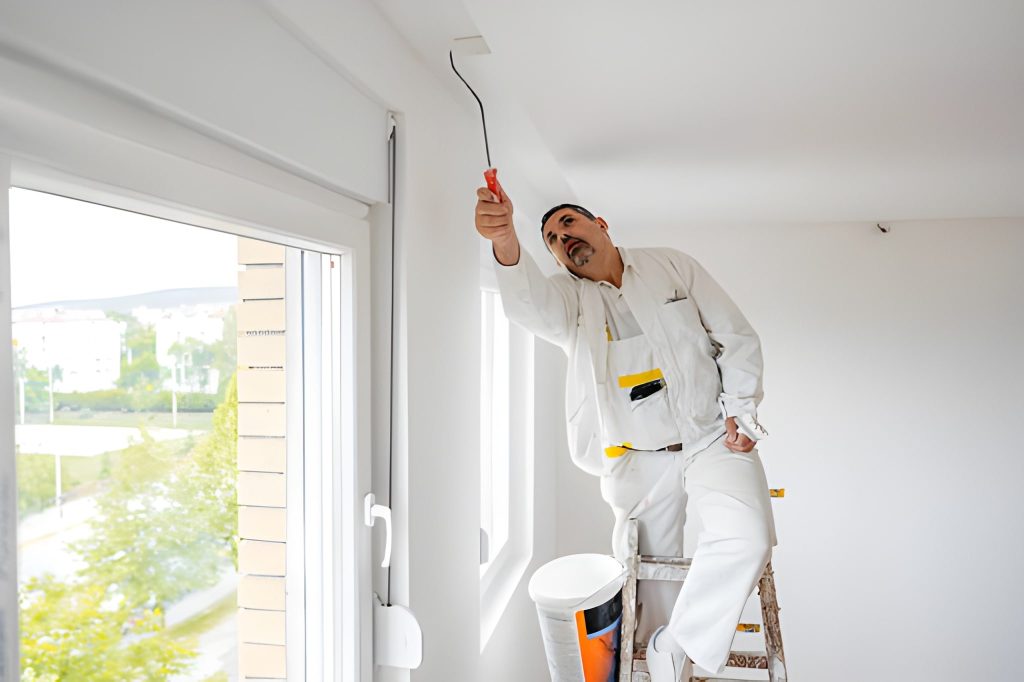
Walls and ceilings form the foundation of a room’s look and feel. Professionals:
- Inspect for cracks, peeling, or water damage
- Sand and prime surfaces for adhesion
- Apply multiple coats for consistent coverage and color depth
Example: In high-traffic areas like hallways and kitchens, using durable paints with stain-resistant finishes can reduce maintenance and extend lifespan. According to the Journal of Coatings Technology and Research, proper wall preparation and high-grade paint can increase longevity by up to 50% compared to standard DIY methods.
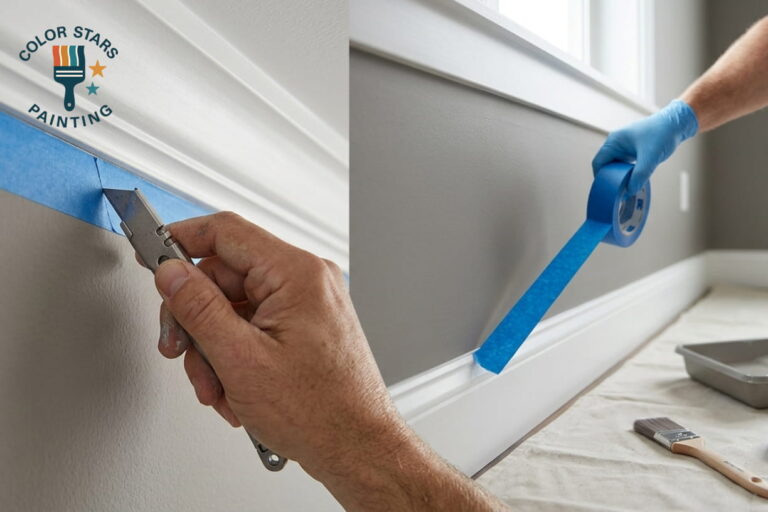
Trim, Baseboards, and Moldings
Trim and moldings require a steady hand and specialized brushes or sprayers. Professionals ensure:
- Smooth edges and crisp lines
- Proper primer for wood or MDF surfaces
- Seamless blending with adjacent walls and ceilings
The visual impact of well-painted trim is significant; it can make a room appear larger, cleaner, and more cohesive.
Specialty Finishes
For homeowners seeking unique textures or visual effects, professionals offer:
- Faux finishes like marble or woodgrain
- Accent walls and murals
- Decorative coatings that enhance style and ambiance
These applications require skill and experience, as inconsistent application can make a finish look unprofessional and uneven.
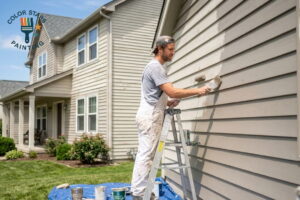
Exterior Painting Services
Exterior painting protects your property from environmental damage while enhancing curb appeal. A poorly executed exterior paint job can lead to moisture intrusion, wood rot, and costly repairs. Professionals handle surfaces, including:
- Siding: wood, vinyl, fiber cement, and stucco
- Trim, shutters, and doors
- Decks, fences, and railings
- Garage doors and outdoor structures
Surface Preparation
Exterior prep is critical to long-term durability:
- Pressure washing to remove dirt, mildew, and loose paint
- Sanding and scraping peeling surfaces
- Repairing cracks, holes, or rot
- Priming based on material and exposure level
Professional prep reduces the risk of peeling, blistering, and fading. For example, a well-prepped and painted wooden deck can last 5–7 years longer than an untreated one.
Paint Selection
Paint choice is key for weather resistance and UV protection:
- Acrylic paints for flexibility and adhesion
- Elastomeric coatings for stucco and masonry
- Low- or zero-VOC options for safer application (EPA)
Correct paint selection also affects color retention, which is important for high-visibility surfaces like storefronts, entrances, and trim.
Timing and Weather Considerations
Exterior paint performance depends on temperature, humidity, and sunlight exposure. Professionals schedule projects during optimal conditions to ensure proper curing and adhesion. Improper timing can lead to cracking, peeling, or uneven drying.
Commercial Painting Services in Depth
Commercial painting projects are more complex than residential ones due to scale, operational constraints, safety requirements, and durability demands. These projects require careful planning and execution to minimize disruption while ensuring long-lasting results.
Types of Commercial Spaces
Professional painting services cater to a wide range of commercial properties, including:
Offices and Coworking Spaces
Freshly painted offices can enhance productivity, reduce visual fatigue, and create a professional impression for clients and employees alike. Subtle color schemes can improve focus and morale, as studies in the Journal of Environmental Psychology suggest.
Retail Locations and Storefronts
Curb appeal matters in retail. Properly applied exterior and interior paint can attract customers, reinforce brand identity, and increase foot traffic. Durable coatings protect walls from high-traffic wear and accidental scuffs.
Warehouses and Industrial Facilities
Industrial painting requires specialized coatings to resist chemicals, abrasion, and temperature fluctuations. Epoxy floors, moisture-resistant walls, and high-durability finishes extend the life of surfaces and reduce maintenance costs.
Hospitality Properties (Hotels, Restaurants)
Guest-facing areas demand aesthetic excellence, while kitchens and service zones require stain-resistant, easy-to-clean surfaces. Proper paint selection improves hygiene, durability, and overall guest satisfaction.
Key Features of Efficient Commercial Painting
Professional commercial painting goes beyond the beauty and curb appeal. Contractors must consider efficiency, safety, and durability to meet operational and regulatory needs:
Efficiency
Large-scale projects require coordination and careful staging. Professionals create schedules that minimize downtime and disruption, often working during off-hours or weekends. For example, a hotel lobby may be painted overnight to avoid disturbing guests, while warehouse areas might be done in sections to keep operations running.
Safety Compliance
Commercial painters must adhere to OSHA regulations (OSHA Standards) and local codes. This includes:
- Proper PPE usage
- Fall protection when working at heights
- Safe handling of solvents, paints, and chemicals
Compliance reduces liability for property owners and ensures worker safety, which is particularly important in public or industrial settings.
Durability and Material Selection
High-traffic areas require paints with superior wear resistance, stain resistance, and washability. Professionals select coatings based on:
- Surface type (metal, concrete, drywall, wood)
- Environmental exposure (humidity, UV light, chemical contact)
- Traffic patterns (foot traffic, machinery, or heavy equipment)
For example, epoxy-based floor coatings in warehouses withstand repeated mechanical stress, while low-VOC, scrubbable paints in office spaces combine durability with healthier indoor air.
Eco-Friendly Painting Practices
Sustainable painting is increasingly important. Professionals incorporate:
- Low- or zero-VOC paints to maintain indoor air quality (EPA)
- Recycling or responsible disposal of leftover paint and materials
- Donating surplus paint to local programs or reuse centers
- Using eco-conscious protective coverings and masking materials
Responsible painting protects occupants, reduces environmental impact, and aligns with modern green building standards.
Cost Considerations and Return on Investment
Hiring professional painters may seem like a significant expense upfront, and it’s natural to wonder if doing it yourself could save money. But when you step back and consider the full picture, the long-term benefits of hiring experts often far outweigh the initial cost. Think of it as investing in peace of mind, durability, and a space that truly reflects quality.
Understanding the True Value of Professional Painting
Professional painting is not just about applying color to walls. Every dollar spent covers a variety of services and expertise that you might overlook when attempting a DIY project. This includes thorough surface preparation, high-quality materials, proper technique, and compliance with safety and environmental standards. Skipping any of these steps in a DIY attempt can lead to uneven finishes, peeling, or the need to repaint sooner than expected, essentially costing you more in the long run.
Factors That Influence Cost
Several elements determine the cost of professional painting, and knowing them helps you understand what you’re truly paying for:
- Size and Scope of the Project
A single room requires far fewer resources than a multi-story home, large commercial space, or full exterior repaint. Square footage, the number of surfaces, and ceiling heights all impact labor and materials.
- Surface Condition
Cracks, water damage, peeling paint, or uneven textures need extra prep work. Professionals assess and repair these issues before painting, ensuring a flawless finish that lasts.
- Quality of Paint and Materials
Premium paints, low-VOC options, and specialty coatings may increase the upfront price but improve durability, reduce maintenance, and protect indoor air quality.
- Accessibility
High ceilings, hard-to-reach corners, scaffolding requirements, and exterior work can all add complexity. Professional teams bring the right tools and safety equipment to handle these challenges efficiently.
Why Long-Term Benefits Outweigh the Cost
While DIY painting may save money initially, it rarely accounts for the hidden costs of mistakes, wasted materials, and the time spent. Hiring professionals ensures:
- Durable, Long-Lasting Finishes
Properly applied coats adhere better, resist wear, and maintain their vibrancy for years. This reduces the need for frequent touch-ups or repainting.
- Time Savings
What might take you weeks or months to complete can be done in a matter of days by trained painters. Time saved is not just convenience; it’s an indirect financial gain.
- Property Value Enhancement
Freshly painted interiors and exteriors increase curb appeal and can boost resale value. Studies show professional interior painting can increase property value by $4,000–$6,000, while exterior improvements can raise perceived value by 5–10%.
- Reduced Stress and Effort
Painting can be physically demanding and stressful. Professionals handle heavy lifting, prep work, masking, and cleanup, letting you focus on your life or business without interruption.
ROI Beyond Money
The return on investment in painting goes beyond financial terms. It includes mental clarity from a clean, refreshed space, improved employee morale in commercial settings, and the confidence that comes from knowing the job is done safely and correctly. You also reduce environmental risks by relying on painters who follow regulations for low-VOC paints, proper disposal, and safety compliance.
Ultimately, professional painting is an investment in quality, time, health, and long-term satisfaction. When you consider all the factors, materials, labor, durability, aesthetics, and compliance, hiring experts becomes a smart choice that pays for itself many times over.
Common Mistakes to Avoid
Even with professional guidance, clients should be aware of common pitfalls:
- Skipping Surface Preparation: Leads to peeling, cracking, and uneven finishes. Prepping surfaces is critical to coating adhesion.
- Choosing the Wrong Paint Type: Using interior paints outdoors, or standard paints in high-traffic areas, leads to early wear.
- Ignoring Safety and Regulatory Compliance: Can result in fines, accidents, or property damage.
- Underestimating Project Scope: Leads to delays, cost overruns, and operational disruption.
- Poor Contractor Communication: Misalignment on scope, timeline, or material choices can compromise quality.
Awareness of these issues allows business owners and facility managers to collaborate effectively with contractors and ensure smooth execution.
Selecting the Right Painting Contractor
Choosing a qualified painting service is vital for quality, compliance, and efficiency:
- Licensing and Insurance: Protects property and ensures legal compliance.
- Experience: Verify past projects, photos, and client testimonials.
- Transparent Pricing: Written, detailed quotes avoid surprises.
- Eco-Friendly Practices: Low-VOC paints, responsible disposal, and donation programs reflect sustainable practices.
- Warranty and Maintenance Support: Guarantees for labor and materials provide peace of mind.
Additionally, a contractor’s communication skills, punctuality, and project management capabilities are just as important as technical skills, particularly for large-scale commercial projects.
Emerging Trends in Painting Services
The commercial painting industry is evolving with technology and sustainability at the forefront:
- Digital Estimates and Scheduling
Virtual assessments and online booking save time for both contractors and clients (Jobber).
- Smart Tools
Laser measurements, GPS logistics, and inventory management improve accuracy and efficiency.
- Eco-Conscious Practices
Low-emission paints, recycling programs, and donation partnerships reduce environmental impact.
- Specialized Services
Post-disaster recovery, decorative finishes, and high-performance coatings cater to unique commercial requirements.
Technology not only streamlines operations but also aligns painting projects with corporate sustainability initiatives.
Frequently Asked Questions About Professional Painting Services
What types of surfaces can professional painters handle?
Professional painters can work on virtually any surface, including walls, ceilings, trim, doors, metal, wood, stucco, masonry, concrete, and specialty coatings like epoxy or textured finishes.
Do I need to move furniture or prepare my space?
Minimal preparation is required on your part. Professional teams handle moving furniture, masking, covering floors, and protecting fixtures.
How long does a painting project take?
The timeline varies based on size, complexity, and surface condition. Interior rooms in a home may take a few hours to a day, while full-home exterior projects or commercial spaces can take several days or weeks.
Are low-VOC or eco-friendly paints worth it?
Yes. Low-VOC paints reduce chemical exposure, improve indoor air quality, and comply with environmental standards.
Can you paint during business hours or in occupied homes?
Yes. Professional painters plan work schedules to minimize disruption. For commercial projects, work can be staged after hours or in phases
Is exterior painting different from interior painting?
Yes. Exterior painting requires weather-resistant coatings, sealants, and primers suitable for the local climate. Interior painting focuses on durability and finish type.
How much does professional painting cost?
Costs vary depending on project size, surface condition, paint type, and accessibility. While DIY may seem cheaper, professional painting often saves money in the long term by preventing mistakes, reducing maintenance, and providing durable, high-quality results.
Final Thoughts
Choosing professional painters ensures that these factors are expertly managed. Eco-conscious practices, low-VOC materials, and responsible disposal further demonstrate that painting today is as much about sustainability as it is about aesthetics. Ultimately, painting transforms not just walls, but the experience of a space. A professionally painted property looks better, lasts longer, reduces maintenance costs, and creates an environment that inspires confidence and comfort. Commercial painting is an investment in durability, safety, and business performance.
A well-executed project:
- Enhances the professional appearance of your space
- Improves employee productivity and client perception
- Reduces maintenance and long-term repair costs
- Ensures compliance with safety and environmental regulations
Professional painting is more than a fresh coat of color. It is a strategic investment in the longevity, appearance, and value of your property. So, if it’s interior walls, ceilings, trim, or exterior surfaces, a high-quality paint job protects surfaces from wear, moisture, and environmental damage while enhancing the appearance and creating spaces that feel vibrant, clean, and welcoming.
When you’re ready to refresh, protect, and elevate your property, professional painters provide the skill, tools, and knowledge to bring your vision to life with precision and care.